Canberra Nasal Release Technique
Looking Beyond a Blocked Nose
Do you constantly feel blocked through your nose despite being told everything looks normal?
Do you find yourself breathing through your mouth, waking tired?
Or dealing with facial pressure, jaw tension, headaches, snoring, poor sleep, or the feeling that you can never quite get enough air?
Many people spend years chasing symptoms.
They see one practitioner for headaches, another for jaw pain, another for neck tension, and another for breathing difficulties.
What often gets missed is that these issues may be connected.
At The Body Lab, we use Nasal Release Technique (NRT) as part of a broader assessment of breathing, airway function, cranial mechanics, jaw position, tongue function, neck movement, posture, and nervous system regulation.
If you’re searching for Nasal Release Technique Canberra, Cranial Facial Release Canberra, Nasal Specific Technique Canberra, or Nasal Balloon Therapy Canberra, you’re in the right place.
What Is Nasal Release Technique?
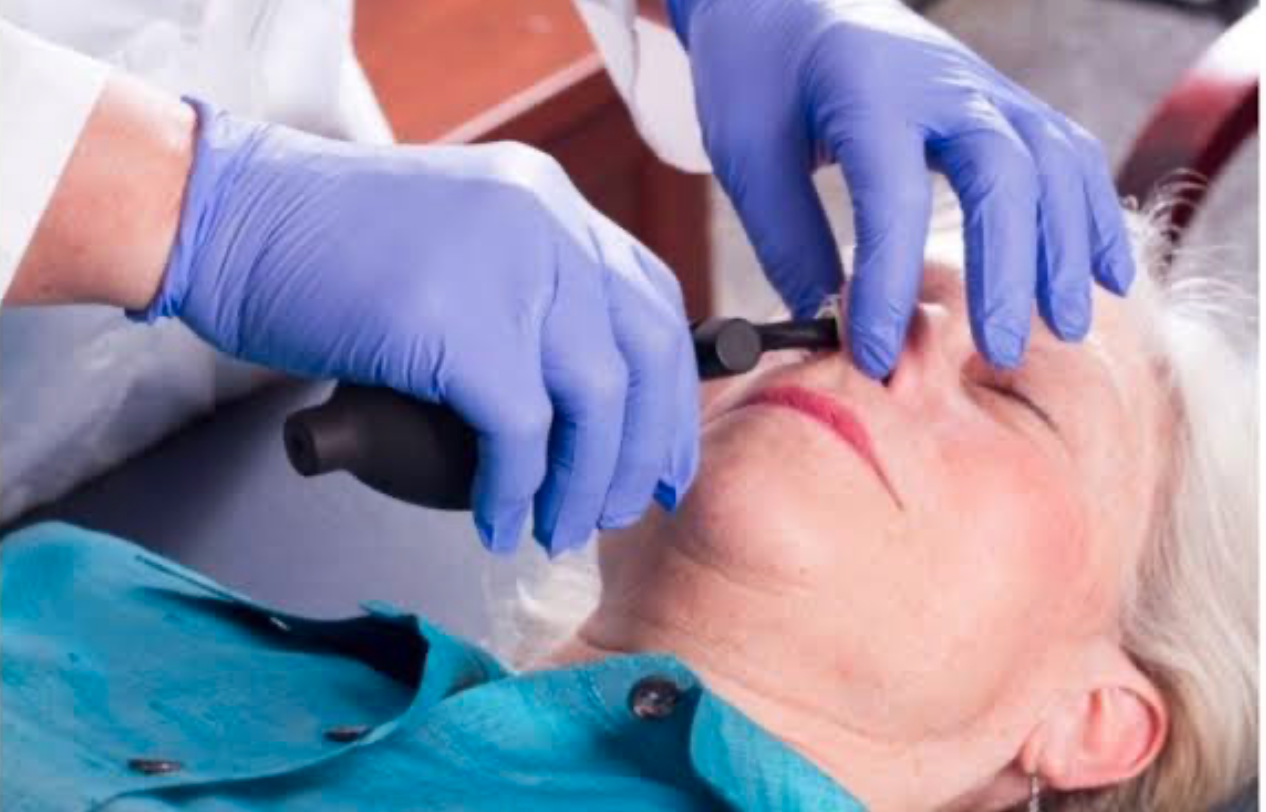
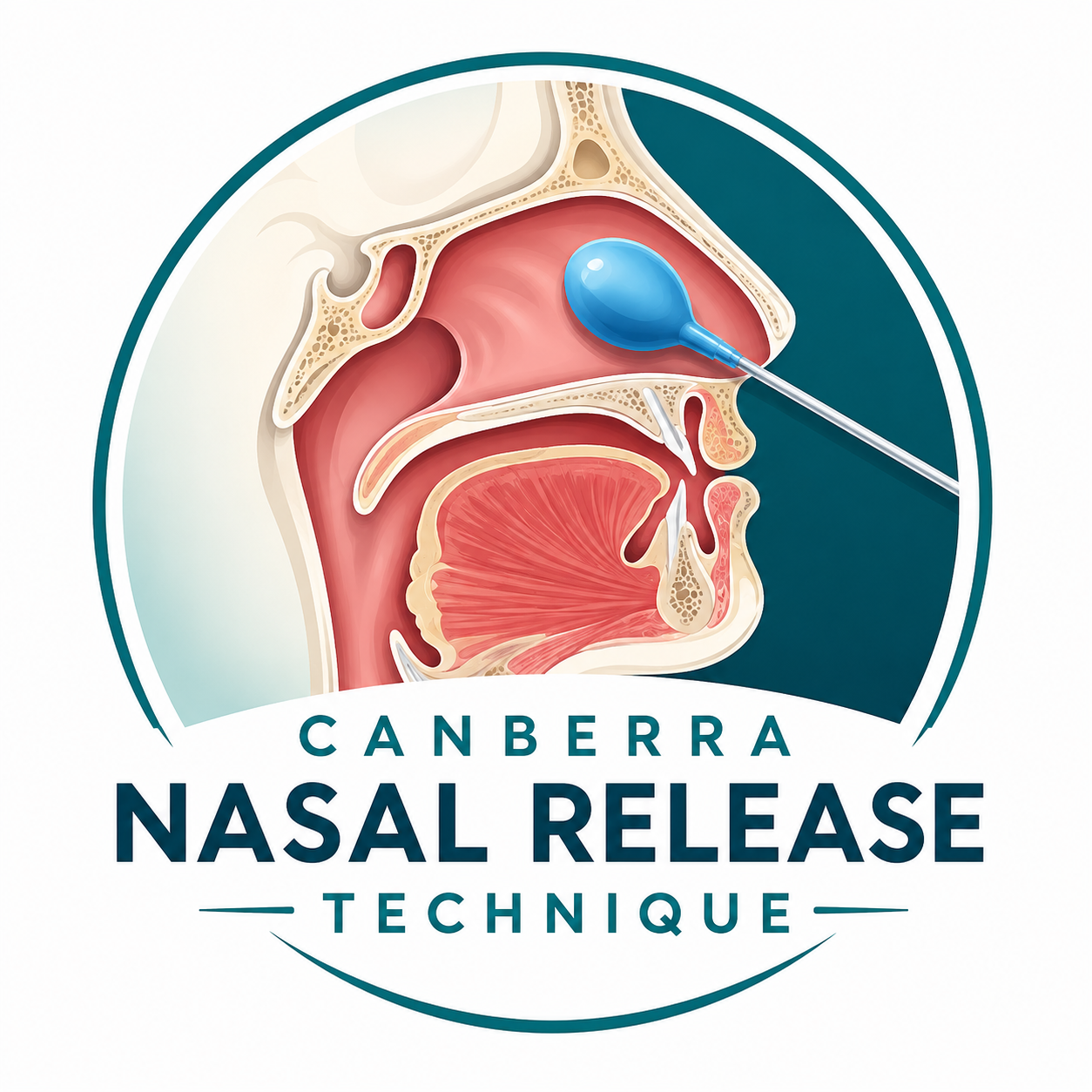
Nasal Release Technique (NRT) is a gentle manual therapy procedure involving the brief inflation of a small balloon inside specific areas of the nasal passages.
The technique has also been known as:
Nasal Specific Technique
Cranial Facial Release
Nasal Balloon Therapy
The aim is to influence the tissues and structures surrounding the nasal cavity, facial bones, upper airway, and associated neuromuscular system.
Although the procedure itself only takes seconds, the effects can often be felt throughout the head, face, jaw, neck, and even the rest of the body.
At The Body Lab, NRT is never performed in isolation.
It forms part of a comprehensive assessment looking at how the airway interacts with breathing, posture, movement, cranial mechanics, tongue function, jaw position, and overall nervous system regulation.
What Does It Feel Like?
This is probably the most common question people ask.
The short answer?
It feels unusual.
A small balloon is placed into a specific area of the nasal passage and inflated briefly for only a second or two.
Most people describe the sensation as pressure rather than pain.
Some report:
A feeling of expansion through the nose and face
Watering eyes
Temporary pressure around the cheeks or forehead
Changes in breathing immediately afterwards
A sensation of increased airflow
A feeling of “lightness” through the head and face
Everyone experiences the technique differently.
Some people notice significant changes immediately. Others experience more gradual changes over the following hours or days.
Is Nasal Release Technique Safe?
When performed by a trained practitioner following appropriate screening procedures, NRT is generally considered a safe procedure.
Before any treatment takes place, we complete a detailed health history and screening process to determine whether the technique is appropriate.
As with any manual therapy procedure, there are potential risks and side effects.
These may include:
Temporary discomfort
Watery eyes
Sneezing
Mild headache
Temporary facial pressure
Brief light-headedness
Minor nasal irritation
Not everyone is suitable for NRT, which is why assessment and screening are essential.
What Conditions May NRT Help?
NRT is not a cure for any condition.
However, many people seek treatment as part of a broader management approach for:
Chronic nasal congestion
Mouth breathing
Restricted nasal airflow
Sleep-related breathing concerns
Snoring
Jaw tension
TMJ dysfunction
Facial pressure
Chronic headaches
Neck tension
Postural issues associated with breathing dysfunction
Breathing pattern disorders
Airway-related concerns
At The Body Lab, we focus less on chasing diagnoses and more on understanding how breathing, movement, airway function, and nervous system regulation may be contributing to the symptoms you experience.
Who Is Not Suitable?
NRT may not be appropriate for everyone.
Treatment may be unsuitable for individuals with certain medical conditions, recent surgeries, significant nasal trauma, active infections, uncontrolled bleeding disorders, or other factors that may increase risk.
This is why every person undergoes a detailed consultation and screening process before treatment is considered.
If we believe NRT is not appropriate, we will discuss alternative options and referrals where necessary.
What Happens During Treatment?
Your first appointment is not simply a treatment session.
It begins with a comprehensive consultation.
We assess:
Breathing patterns
Nasal function
Airway function
Jaw mechanics
Tongue posture and function
Neck mobility
Cranial and facial mechanics
Posture and movement patterns
This helps us determine whether NRT is appropriate and whether other factors may be contributing to your symptoms.
If treatment proceeds, the procedure itself is brief.
Many patients are surprised that the actual balloon inflation takes only seconds.
Following treatment, we often reassess breathing, movement, and symptoms to observe any immediate changes.
Depending on your presentation, recommendations may include breathing retraining, craniosacral therapy, movement exercises, postural rehabilitation, tongue exercises, or referral to other healthcare providers.
Frequently Asked Questions
Does it hurt?
Most people describe the sensation as pressure rather than pain. It is certainly unusual, but the balloon inflation lasts only a few seconds.
How many treatments will I need?
This varies significantly between individuals. Some people notice meaningful changes after one session, while others benefit from a series of treatments as part of a broader airway rehabilitation plan.
Will it fix my breathing?
No treatment can guarantee outcomes. Breathing difficulties are often influenced by multiple factors including airway anatomy, tongue function, jaw position, posture, movement patterns, sleep quality, and nervous system regulation.
Is it the same as Cranial Facial Release?
Yes. Cranial Facial Release is one of several names used to describe a similar balloon-assisted nasal procedure.
Is it the same as Nasal Specific Technique?
Yes. Nasal Specific Technique is another commonly used name for the procedure.
How long does the appointment take?
Your initial consultation typically takes longer than a standard treatment session because we perform a comprehensive assessment before determining whether NRT is appropriate.
Case Study: Chronic Mouth Breathing and Jaw Tension
A Canberra client presented with chronic mouth breathing, poor sleep quality, jaw tension, and frequent headaches.
Despite seeing multiple practitioners over several years, they had never undergone a detailed airway assessment.
Examination revealed restricted nasal airflow, altered tongue posture, reduced neck mobility, and breathing mechanics that relied heavily on the upper chest and neck muscles.
Treatment involved a combination of Nasal Release Technique, breathing retraining, craniosacral therapy, movement rehabilitation, and tongue function exercises.
Over subsequent visits, the client reported improved nasal breathing, reduced jaw tension, fewer headaches, and improved sleep quality.
As with all case studies, individual results vary and outcomes cannot be guaranteed.
Book Your Nasal Release Technique Consultation
The most important step is determining whether Nasal Release Technique is actually appropriate for you.
Rather than booking directly into treatment, we begin with a comprehensive consultation that assesses your breathing, airway function, jaw mechanics, tongue function, posture, movement, and overall presentation.
This allows us to determine whether NRT is suitable and whether other factors may also need to be addressed.
Ready to Get Started?
We’ll assess the whole picture before deciding on the most appropriate treatment pathway.