Cranial Therapy Canberra
Headaches, Jaw Tension, Sinus Pressure, Dizziness & Nervous System Reset
Sometimes the problem isn’t where you feel it.
Persistent headaches. Jaw tension. Neck stiffness. Sinus congestion. Brain fog. Poor sleep. Feeling constantly “switched on.” These symptoms often appear unrelated, yet they can all be influenced by how the head, neck, jaw, airway and nervous system work together.
At The Body Lab, we don’t simply treat the head—we assess the entire system.
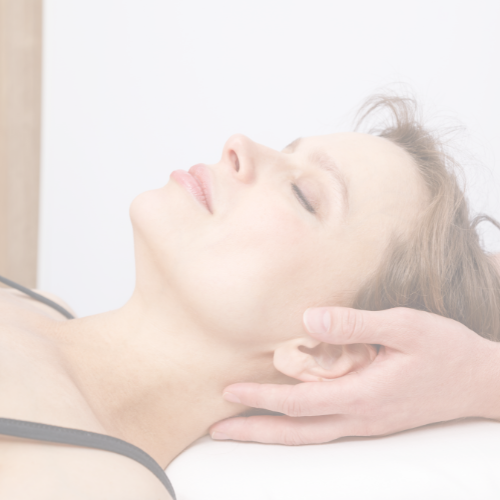
Your cranial therapy appointment combines gentle hands-on treatment with a detailed assessment of your breathing, jaw function, neck mobility, posture and movement to identify what may be contributing to your symptoms.
Whether you’re recovering from concussion, struggling with TMJ, waking with headaches or simply feeling like your body can’t quite relax, our goal is to help restore comfortable movement, improve breathing and create an environment where your nervous system can settle.
Book your Cranial & Airway Assessment today and discover whether your symptoms may be connected by a bigger picture.
This May Be For You If…
You don’t need to have every symptom on this list. Many people come because of one problem and discover there were several pieces of the puzzle contributing to it.
You regularly experience:
✔ Headaches or migraines
✔ Jaw pain, clicking or clenching
✔ Neck tension or stiffness
✔ Sinus congestion or facial pressure
✔ Difficulty breathing through your nose
✔ Poor sleep or waking tired
✔ Dizziness or balance issues
✔ Brain fog or difficulty concentrating
✔ Persistent stress or feeling “wired”
✔ Concussion symptoms that haven’t fully resolved
✔ Facial pain or pressure
✔ Teeth grinding
✔ A feeling that your head always feels “tight”
✔ Tension around the eyes or temples
✔ Chronic shoulder and upper neck tightness
If several of these sound familiar, there may be an underlying connection worth exploring.
What Is Cranial Therapy?
Despite the name, cranial therapy isn’t simply about your skull.
Think of it as working with the tissues that connect your head to the rest of your body.
The bones of the skull, jaw, neck, tongue, throat, connective tissue, nerves and muscles all work together every second of the day. They help you breathe, chew, swallow, move your eyes, balance your head and process sensory information.
When these areas become restricted—whether through injury, stress, breathing dysfunction, dental work, posture or previous trauma—the body often compensates elsewhere.
Rather than forcing movement, cranial therapy uses gentle manual techniques designed to encourage normal movement of these tissues while reducing excessive tension.
Many patients describe treatment as deeply relaxing, although the aim is not simply relaxation. The goal is to improve the quality of movement throughout the head, neck and upper body so the entire system functions more efficiently.
Every treatment at The Body Lab is adapted to the individual. There is no standard routine because no two people arrive with exactly the same combination of contributing factors.
Why We Assess More Than Just Your Head
One of the biggest differences at The Body Lab is that we rarely view symptoms in isolation.
A headache isn’t always just a headache.
Jaw pain isn’t always just a jaw problem.
Poor breathing isn’t always simply a blocked nose.
The head sits at the top of an incredibly interconnected system. Small changes below can influence what happens above.
During your assessment we may evaluate:
Jaw Function
TMJ movement, chewing muscles, clenching patterns and bite-related tension.
Neck Mobility
How your cervical spine moves in all three planes and whether restrictions may be increasing strain on surrounding tissues.
Breathing
Nasal airflow, breathing mechanics, rib movement and breathing habits that may place unnecessary tension through the upper body.
Tongue & Hyoid Function
The tongue and hyoid bone play important roles in swallowing, airway stability and neck muscle function.
Airway
We consider whether airway function may be contributing to sleep quality, mouth breathing or excessive muscle tension.
Posture & Whole Body Movement
Because the head doesn’t balance on the neck by accident. How you stand and walk influences the forces travelling through the entire body.
This systems-based approach helps us identify contributors that may otherwise be overlooked.
Our Five Cranial Therapy Pathways
Headaches & Migraines
Recurring headaches often involve far more than the head itself.
We assess neck movement, jaw mechanics, breathing, posture and tissue tension to identify possible contributors that may be placing additional load on the head and upper cervical region.
TMJ & Jaw Tension
Jaw pain rarely exists in isolation.
Your jaw works closely with your neck, tongue, airway and breathing muscles. Improving movement throughout these regions may help reduce unnecessary strain while improving jaw function.
Sinus Pressure & Nasal Breathing
Blocked noses and facial pressure aren’t always caused by infection.
Restrictions around the facial tissues, breathing mechanics and surrounding structures may influence how comfortably you breathe.
Where appropriate, cranial therapy may also be integrated with our Better Airway System and Nasal Release Technique assessment pathway.
Dizziness & Post-Concussion Recovery
Following concussion, many people continue experiencing symptoms long after the initial injury.
Movement, balance, neck function, eye movement, breathing and tissue mobility may all be assessed as part of a broader rehabilitation approach.
Stress, Sleep & Nervous System Regulation
When the body remains in a prolonged state of stress, muscles often stay active long after they should have relaxed.
Many patients report feeling calmer following treatment, although our aim isn’t simply relaxation—it’s improving the body’s ability to move, breathe and recover more efficiently.
What Happens During Your First Appointment?
Your first appointment is designed to understand the whole picture, not simply where it hurts.
We begin by discussing your symptoms, health history and goals before completing a comprehensive assessment that may include posture, movement, breathing, jaw function, neck mobility and other relevant clinical tests.
From there we’ll explain what we’ve found, discuss whether cranial therapy is appropriate and develop an individual treatment plan.
If treatment is suitable, we’ll begin during the same appointment.
You’ll may also receive advice on exercises, breathing strategies or self-management techniques where appropriate to help reinforce your progress between visits.
What Does Treatment Feel Like?
Cranial therapy is generally very gentle.
Rather than forceful manipulation, treatment involves carefully guided manual techniques using light pressure to encourage improved tissue movement.
Patients commonly describe treatment as:
Deeply relaxing
Gentle and comfortable
Surprisingly subtle
Calming
Easy to tolerate
Some people notice immediate changes.
Others experience gradual improvements over several sessions as the body adapts.
Every response is different.
Why Choose The Body Lab?
Many clinics offer craniosacral therapy.
Few assess the whole system.
At The Body Lab, cranial therapy forms part of a much broader clinical framework combining:
Movement assessment
Postural analysis
Airway assessment
Breathing evaluation
TMJ assessment
Neck mobility
Gait analysis
Functional rehabilitation
Acupuncture where appropriate
Rather than asking, “Where does it hurt?”
We ask,
“Why is your body behaving this way?”
That difference shapes everything we do.
What Does The Research Say?
Research into craniosacral therapy continues to evolve.
Some studies suggest it may help improve pain, relaxation, stress levels and quality of life for certain individuals, while the strength of evidence varies between different conditions.
At The Body Lab, we don’t claim cranial therapy is a cure-all.
Instead, we view it as one component of a broader assessment and treatment approach aimed at improving movement, reducing unnecessary tension and supporting normal function.
Clinical decisions are always guided by your individual presentation, current evidence and professional judgement.
When Cranial Therapy May Not Be Appropriate
Although cranial therapy is suitable for many people, there are situations where medical assessment should occur first.
Please speak with your GP or seek urgent medical attention if you experience:
Sudden severe headache unlike anything you’ve experienced before
Recent head trauma requiring emergency assessment
Sudden weakness or numbness
Difficulty speaking
Loss of consciousness
Unexplained seizures
High fever with severe neck stiffness
Rapidly worsening neurological symptoms
Sudden vision loss
If you’re unsure whether cranial therapy is appropriate, we’re happy to discuss your situation before booking.
Book Your Cranial & Airway Assessment
If you’ve been living with recurring headaches, jaw tension, poor sleep, dizziness, sinus pressure or persistent neck tightness, it may be time to look beyond the symptom itself.
Our goal isn’t simply to provide another treatment—it’s to understand why your symptoms developed in the first place and help you move, breathe and function more comfortably.
Book your Cranial & Airway Assessment today and discover whether your head, neck, airway and nervous system may be more connected than you realise.