Back Pain Canberra: Your Most Asked Questions, Answered (With Zero Fear-Mongering)
And yes, we’ll clear up when you should actually see a professional… and whether you really need that MRI.
Back pain is practically a rite of passage in Canberra.
Maybe it’s the hours spent driving between Gungahlin and Woden, the laptop-hunched public servants, or the heroic weekend gardening that escalates faster than a Senate inquiry — but nearly everyone here has asked:
👉 “Is my back pain serious?”
👉 “Do I need a scan?”
👉 “Who should I see?”
👉 “And… how do I stop this thing from coming back?”
Great questions. Let’s break down the most common ones Canberra residents ask — with clear answers, evidence, and a sprinkle of sass to keep things interesting.
1. When should I see a doctor or specialist for back pain?
Short version:
If your back pain has been hanging around longer than the neighbour’s cat — more than 6 weeks — book in with a professional.
Other times to seek help sooner:
• It stops you sleeping
• It’s interfering with daily life
• It’s getting worse, not better
• You’re hobbling around like a retired 90-year-old when you’re definitely not 90
These are all signs your body is waving a polite little flag that says, “Oi, help please.”
2. Could my back pain be something serious?
Most back pain is not sinister.
Yes — everyone worries about cancer, infection, or something dramatic lurking in their spine.
No — this is usually not the case.
Clinicians look for red flags, such as:
• Unexplained weight loss
• Fever
• Loss of bladder or bowel control
• Numbness in both legs
• Pain after significant trauma
If you have any of these?
See a GP urgently.
If not? Breathe. Your spine is probably not plotting against you.
3. When should I go to the Emergency Department?
Call 000 or head to ED if:
• The pain is sudden and severe
• You cannot move without intense pain
• You lose bladder or bowel control
• Your legs feel weak or stop doing their job
This is rare — but when it happens, you don’t push through. You go.
4. Should I see a physio, chiro, osteo… or someone like Riccardo at The Body Lab?
Canberrans understandably want to know who is best for them.
Here’s the honest answer:
Different professions have different strengths — but the key is finding someone who looks beyond the painful spot and understands how your whole body is moving.
A physio may give exercises, a chiro may adjust joints, an osteo may use hands-on techniques.
The Body Lab specialises in something slightly different:
✨ A movement-first, root-cause approach:
• Why is your back irritated?
• What joint stopped moving properly?
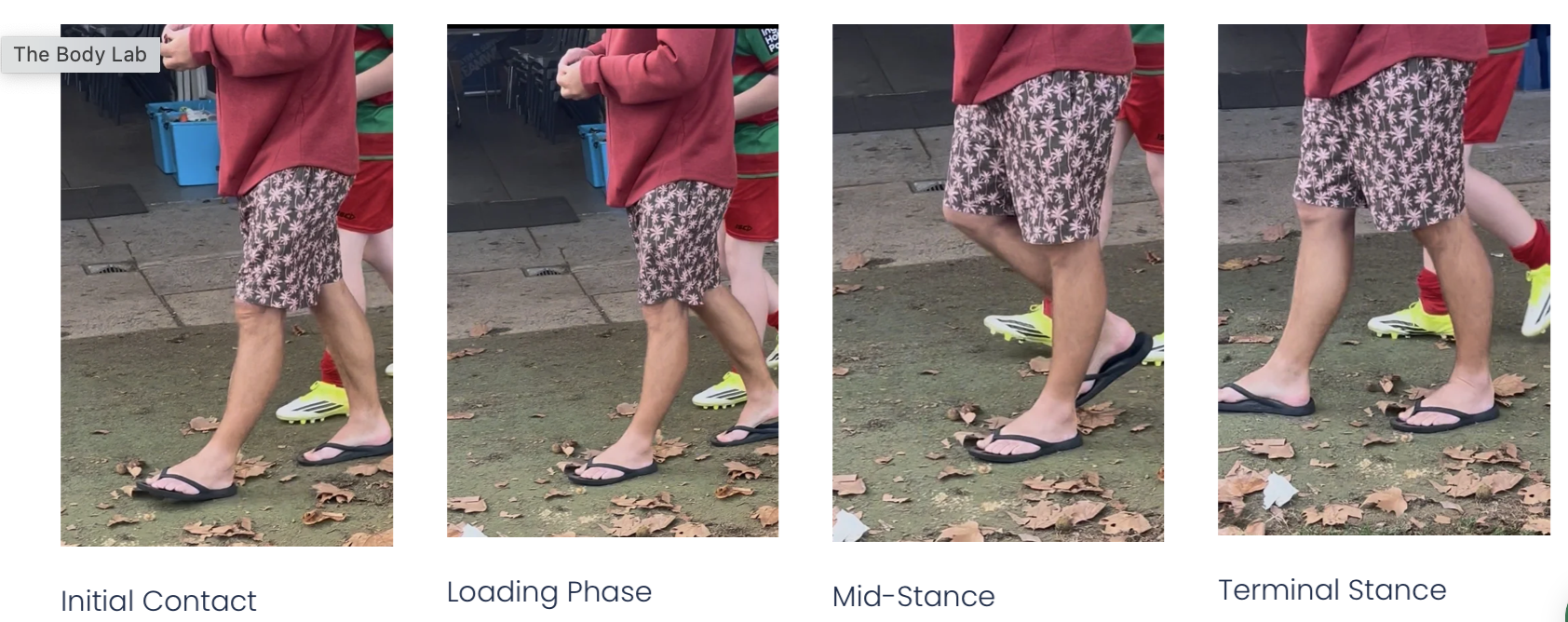
• How is your gait contributing?
• Which compensations are showing up?
If your back pain keeps coming back — even after treatment — this approach is often the missing puzzle piece.
But yes, any good clinician should be able to help you get started.
5. Do I need an X-ray, CT, or MRI for my back pain?
Ah yes — the “scan FOMO.”
Research (and every major guideline) says:
👉 Most people with back pain do NOT need imaging.
Why?
Because scans often show “problems” that:
• are totally normal,
• are age-related,
• and have nothing to do with your pain.
Herniated discs?
Degeneration?
Bulges?
These show up in people with no pain at all.
You do need imaging if red flags are present or if symptoms aren’t improving with proper care.
Otherwise, movement beats magnets.
6. Will bed rest help?
Short answer:
No.
Long answer:
Absolutely not.
One or two days of reduced activity is fine, but weeks on the couch?
Your spine will protest harder than Parliament on budget day.
Movement = medicine.
Even gentle walking starts the healing process.
7. What treatments actually work for back pain?
The evidence-backed options include:
• Movement (even when you don’t feel like it)
• Heat packs
• Activity modification
• Hands-on therapy
• Targeted exercise
• Acupuncture
• Strengthening
• Exercise-based rehab
Surgery?
Only for a very small percentage of people with specific conditions.
For 90%+ of back pain cases, conservative treatment is king.
8. Are there exercises I should do? Will exercise make it worse?
This is where people get nervous.
No — movement does not damage your back.
Yes — certain exercises will help more than others.
Yes — exercise can feel uncomfortable at first (that’s normal).
Most people benefit from:
• Walking
• Gentle spinal mobility
• Hip strengthening
• Core control
• Improving the way they load their feet and pelvis
At The Body Lab, this is tailored to how your body moves, not a generic “3 sets of 10” sheet from 2004.
9. Can mood or stress affect back pain?
Absolutely.
Your brain and your spine are in a long-term committed relationship.
Stress, anxiety, fatigue, poor sleep, and long hours at the desk all crank up pain sensitivity.
This doesn’t mean “it’s in your head.”
It means your nervous system is doing the equivalent of turning the volume dial to 11.
Movement, breathing, pacing, and restoring confidence all help turn that dial back down.
10. How do I stop back pain from coming back?
This is the million-dollar question.
Prevention is about how you move, not just how you stretch.
Long-term strategies include:
• Keeping spine and hips mobile
• Strengthening legs, glutes, and trunk
• Improving gait mechanics (your walking pattern deeply affects your back)
• Lifting with good mechanics
• Staying active
• Managing stress and sleep
In other words:
Backs love movement.
Backs hate stagnation.
11. Does having a strong core help back pain?
Yes — but the fitness-industry version of “core” (planks till you cry) is not the whole story.
Your core is:
• your diaphragm
• your deep abdominal wall
• your ribcage mechanics
• your pelvic alignment
• your hip control
• your breathing
Strength matters, yes.
But coordination matters more.
So… Should You See Riccardo at The Body Lab for Back Pain?
If you’ve tried the usual suspects — physio, massage, chiro — and your pain keeps boomeranging back like an eager kelpie…
Then yes, you’re exactly the type of person who does well with The Body Lab approach.
Riccardo specialises in:
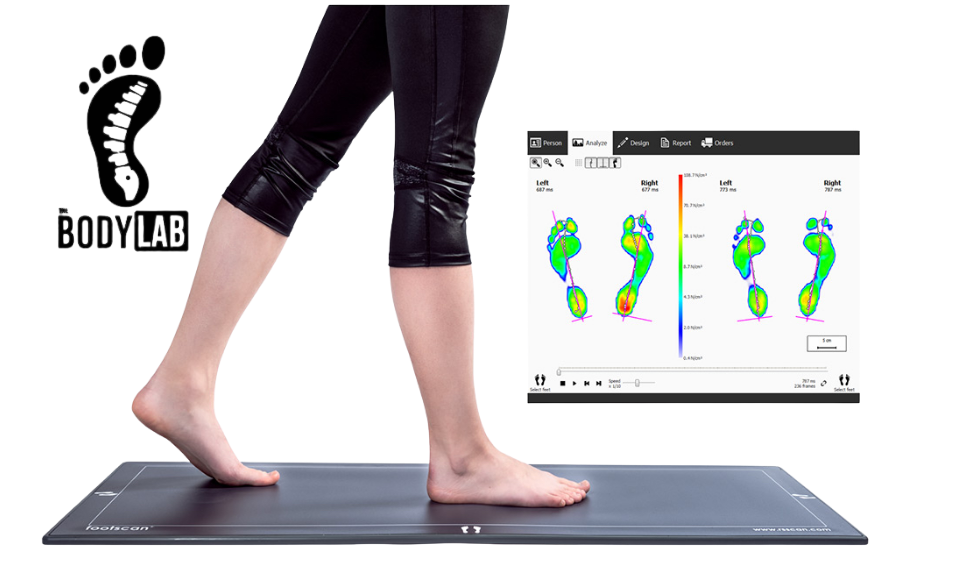
• decoding back pain through gait analysis
• assessing how your spine, hips, pelvis, and feet actually move
• treating the root cause (not just putting out fires)
• using hands-on therapy + acupuncture + movement retraining
• teaching you how to keep the pain away long term
It’s back pain rehab for people who want answers — not endless appointments.
(Limited spots each week — because quality over quantity.)
📚 Evidence-Based Sources for Canberra Residents
• Musculoskeletal Australia
• Painaustralia
• Australian Commission on Safety and Quality in Health Care
• RACGP Guidelines for Acute Low Back Pain
• Cochrane Review on Imaging for Low Back Pain
• UC Davis Health — Back Pain FAQ