Rebuilding Injured Tendons: Why Rest Isn’t Enough (and What Actually Works)
If tendons healed just by resting, every couch would be a rehab clinic and Netflix would hand out medical degrees.
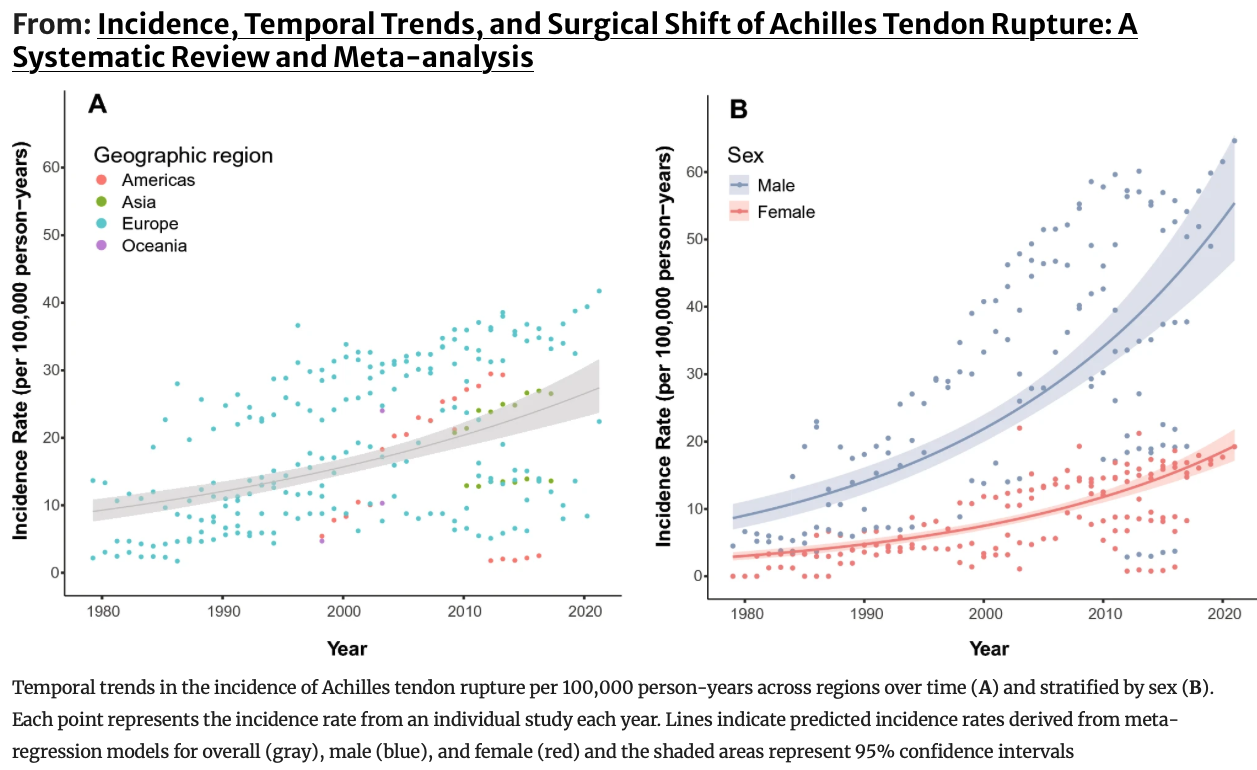
Yet stubborn tendon pain — Achilles, plantar fascia, elbow, patellar — keeps hanging around like that guest who doesn’t get the hint.
Modern tendon research is very clear on this:
Tendons need load to recover — but the load must be appropriate, progressive, and guided by pain response.
That message comes straight from decades of work by Jill Cook and Ebonie Rio, two of the world’s leading tendon researchers.
Pain Does NOT Equal Tendon Damage (This Matters More Than You Think)
One of the biggest shifts in tendon science — led by Cook and Rio — is this:
Persistent tendon pain is often more about altered pain processing and load sensitivity than structural failure.
Multiple studies show that:
Tendons can be painful without major structural damage
Structural changes can exist without pain
Imaging findings correlate poorly with symptoms
(Cook & Purdam, 2009; Cook et al., 2016)
This is why scans often confuse people — and why “degeneration” gets blamed for everything.
Pain reflects how the tendon is responding to load right now, not whether it’s “falling apart”.
Why Complete Rest Backfires
(According to Cook & Rio)
Cook and Rio are very clear on this point:
❌ Complete rest does not restore tendon capacity
❌ Avoiding load increases sensitivity
❌ Returning suddenly to activity increases flare-ups
Instead, tendons need graded exposure to load to:
Desensitise pain
Restore confidence
Improve mechanical capacity
(Cook et al., 2016; Rio et al., 2014)
Rest might calm symptoms briefly — but it doesn’t rebuild tolerance.
Isometrics: Not Just Exercises — Pain Modulation Tools
One of Rio’s most influential contributions to tendon rehab was demonstrating that isometric loading can reduce tendon pain immediately.
In patellar tendinopathy, sustained isometric contractions:
Reduced pain for up to 45 minutes
Improved muscle output
Reduced cortical inhibition
(Rio et al., 2015)
This reframed isometrics from “gentle rehab” into:
A way to calm the nervous system while keeping the tendon loaded.
That’s why they’re ideal early on — especially for reactive or highly painful tendons.
A Simple Tendon Rehab Program (Aligned With Cook & Rio’s Framework)
This is the client-friendly version of what the research actually supports.
PHASE 1: Settle Pain Without De-Loading
Goal: Reduce pain sensitivity without weakening the tendon.
What this looks like
Isometric holds
Moderate effort (not maximal)
Pain allowed up to ~3/10 during, settled within 24 hours
Examples
Calf raise holds
Wall push-up holds
Static split squat holds
Why this works
Modulates pain
Maintains tendon load
Builds confidence
(Rio et al., 2015)
PHASE 2: Build Capacity With Slow Strength
Goal: Increase how much load the tendon can tolerate.
Cook and Rio emphasise that tendons respond best to:
Slow, heavy resistance
Controlled tempo
Consistent loading
(Cook et al., 2016)
Examples
Slow calf raises (3–4 sec up / down)
Slow squats or step-downs
Progressive resistance over weeks
This phase improves:
Tendon stiffness
Force transfer
Long-term pain outcomes
(Beyer et al., 2015)
PHASE 3: Restore Energy Storage & Timing
Goal: Prepare the tendon for real-world demands.
Cook’s work highlights that tendons must eventually tolerate:
Faster loading
Elastic recoil
Repeated impact
Examples
Faster calf raises
Gentle hopping (when appropriate)
Gradual return to walking speed, hills, running
Skipping this phase = “strong but still sore.”
Why Tendon Rehab Advice Sounds Conflicting (But Isn’t Actually Wrong)
If you’ve ever Googled tendon rehab, you’ve probably seen completely opposite advice:
• “Go heavy”
• “Go light”
• “Train daily”
• “Train twice a week”
• “Rest it”
• “Never rest it”
So… which is it?
Here’s the key point:
👉 The research isn’t truly conflicting — it’s answering different questions, at different tendon stages.
Load: Heavy vs Low
Heavy slow resistance improves long-term capacity
Isometrics reduce pain in sensitive tendons
Both are correct — when used at the right time.
Frequency: Daily vs 2–3×/week
High frequency works with low loads
Lower frequency works with higher loads
Problems happen when high load + high frequency + poor recovery combine.
Low Load vs RPE (Rate of Perceived Exertion)
Cook and Rio increasingly support pain- and RPE-guided loading, because tendon tolerance fluctuates with:
Sleep
Stress
Previous load
Pain sensitivity
Pain up to 3–4/10, settling within 24 hours, is generally acceptable.
Pain is information, not damage.
Rest
Short rest can calm symptoms
Complete rest reduces capacity
Relative rest + load supports recovery
Rest is a tool, not a treatment.
Why Movement Still Matters (Beyond the Tendon)
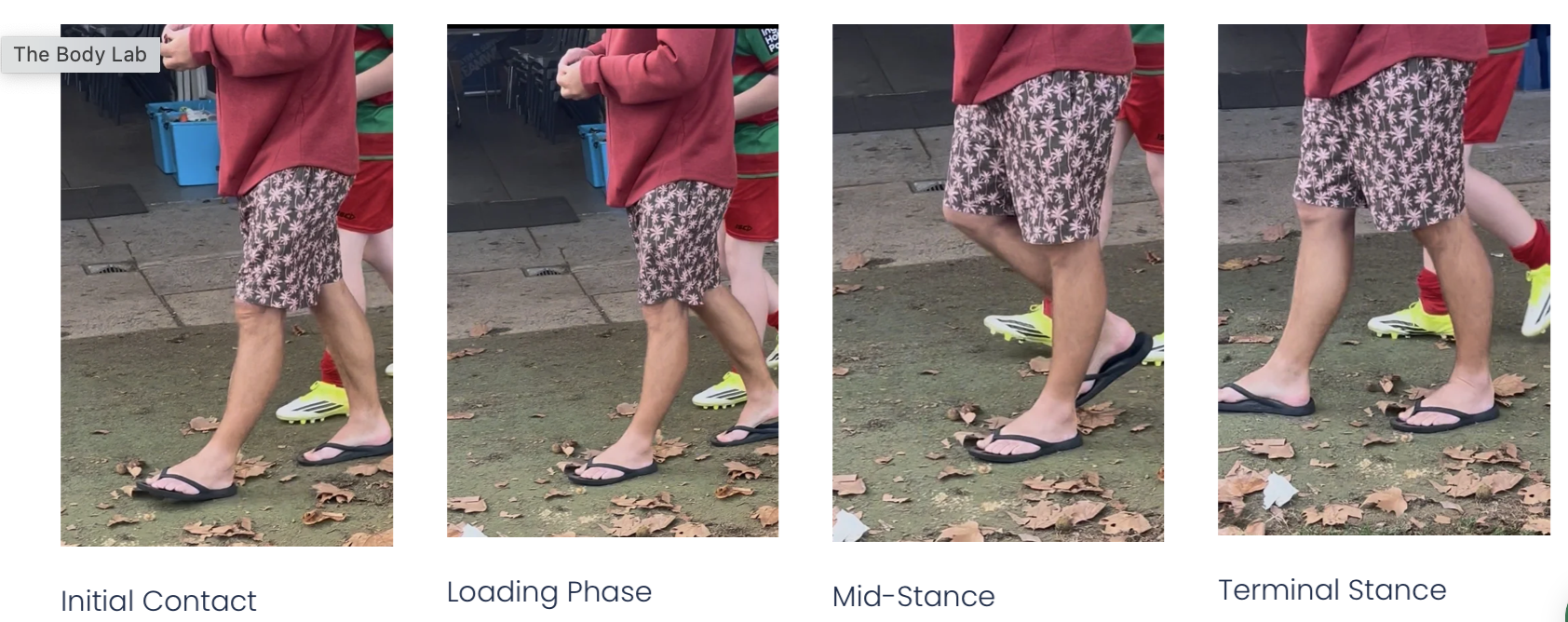
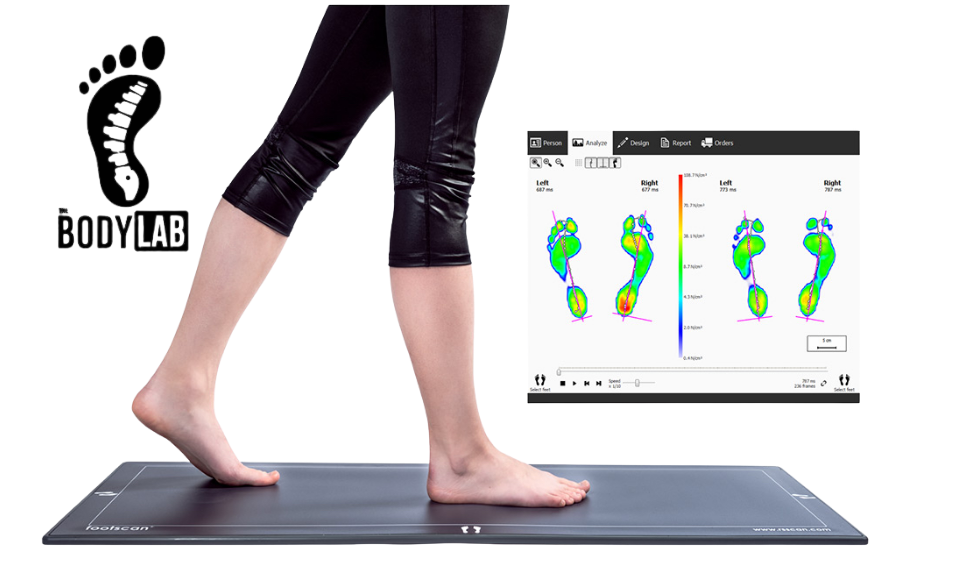
Cook consistently emphasises that tendon load is influenced by mechanics.
If:
The foot doesn’t load
The ankle doesn’t rotate
The hip doesn’t absorb force
…the tendon ends up compensating, regardless of how “strong” it is.
This is why tendon rehab that ignores gait and joint motion often stalls — especially in chronic cases.
Timeline Reality Check (Important for Expectations)
From Cook & Rio’s work and broader tendon research:
Muscle strength: ~6–8 weeks
Pain reduction: variable, often early
Tendon adaptation: 3–6+ months
(Cook et al., 2016)
Feeling better is not the same as being fully adapted.
Clinical Bottom Line
Tendons are:
Not fragile
Not broken
Not healed by rest
They are load-sensitive tissues that adapt slowly but reliably when treated properly.
Or, as Cook often summarises:
“Manage load — don’t eliminate it.”
References
Cook JL, Purdam CR. Is tendon pathology a continuum? A pathology model to explain the clinical presentation of load-induced tendinopathy. Br J Sports Med. 2009;43(6):409–416.
Cook JL, Rio E, Purdam CR, Docking SI. Revisiting the continuum model of tendon pathology: what is its merit in clinical practice and research? Br J Sports Med. 2016;50(19):1187–1191.
Rio E, Kidgell D, Purdam C, et al. Isometric exercise induces analgesia and reduces inhibition in patellar tendinopathy. Br J Sports Med. 2015;49(19):1277–1283.
Rio E, van Ark M, Docking S, et al. Isometric contractions are more analgesic than isotonic contractions for patellar tendon pain: an in-season randomized clinical trial. Clin J Sport Med. 2017;27(3):253–259.
Cook JL, Docking SI. “Rehabilitation will increase the ‘capacity’ of your… insert musculoskeletal tissue here.” Br J Sports Med. 2015;49(23):1486–1487.
Beyer R, Kongsgaard M, Hougs Kjær B, et al. Heavy slow resistance versus eccentric training as treatment for Achilles tendinopathy: a randomized controlled trial. Am J Sports Med. 2015;43(7):1704–1711.
Malliaras P, Barton CJ, Reeves ND, Langberg H. Achilles and patellar tendinopathy loading programmes: a systematic review comparing clinical outcomes and identifying potential mechanisms. Br J Sports Med. 2013;47(4):207–215.
Magnusson SP, Narici MV, Maganaris CN, Kjaer M. Human tendon behaviour and adaptation, in vivo. J Physiol. 2008;586(1):71–81.
Heinemeier KM, Kjaer M. In vivo investigation of tendon responses to mechanical loading. J Musculoskelet Neuronal Interact. 2011;11(2):115–123.
Rabin A, Kozol Z, Spitzer E, Finestone AS. Weightbearing ankle dorsiflexion range of motion and plantar fasciitis. J Orthop Sports Phys Ther. 2014;44(7):493–499.