Hammer Toes: Why Your Toes Are Acting Out (and How to Fix Them!)
Written by Riccardo Galeotti, your go-to expert for Canberra acupuncture and foot fixes.
Let’s talk about hammer toes – no, not the kind you use for DIY projects, but those pesky bent toes that feel like they’re on strike! About 3% of adults deal with these painful foot rebels, and while they sound harmless, they can lead to some serious discomfort if left untreated. So, why do our toes decide to curl up like they’re auditioning for a claw-footed monster role? Let’s dive in!
What’s a Hammer Toe, Anyway?
Hammer toes are what happens when your toes (usually the second, third, or fourth) decide to bend at the middle joint, looking more like little hammers than happy, straight toes. There are two kinds:
Flexible Hammer Toe: You can still straighten it with a bit of force. It’s like your toe is saying, “I’m bendy, but I could still be convinced.”
Rigid Hammer Toe: No amount of pushing will fix it. This one’s like the stubborn friend who refuses to move even when the party’s over.
Hammer Toe’s Sidekicks: Mallet Toe and Claw Toe
It’s not just about hammer toes! Let’s introduce you to their sneaky cousins:
Mallet Toe: This one buckles at the tip, mostly affecting the second and third toes. You might find some blisters underneath the nail bed – not fun!
Claw Toe: As the name suggests, it curls like a claw. Both toe joints bend, and your shoe loves rubbing against the top of the joint, causing calluses. Yay!
Why Do Hammer Toes Happen?
Your toes don’t just decide to strike for no reason. Hammer toes are caused by muscle imbalances, foot injuries, or wearing shoes that are way too tight (we’re looking at you, high heels!). But that’s not all—hereditary factors, arthritis, diabetes, and even having a longer second toe can put your feet at risk of becoming hammer time central.
Symptoms That Scream “Hammer Toe”
• Pain in the top of your toe, especially when wearing shoes.
• Redness, swelling, and corns (as if you needed more toe drama).
• Trouble moving your toe, or worse, feeling like it’s stuck in one position.
• In severe cases, sores might form on top or at the tip of the affected toe.
Treatment: How The Body Lab Can Help
First off, ditch the tight shoes! Go for something with a wide toe box that won’t turn your feet into a squashed mess. Next, get professional help. At our The Body Lab clinic, we’ll assess the whole foot (and even your knees) to figure out what’s going on. Most treatments for hammer toes are non-surgical, focusing on muscle balance, foot mobilisation and therapy to elongate those rebellious tendons.
Don’t Let Your Toes Keep You Down!
If you’re dealing with hammer toe pain, it’s time to take action. Our treatments can help restore balance to your feet, relieve pain, and prevent those toes from turning into permanent hammers.
Book a free callback today, or visit us at our Canberra clinic and get your toes back in line – literally!
Struggling with bone loss or worried about osteoporosis? Learn how strength training, impact exercise, and balance work can improve bone health. Insights from Canberra physios at Next Gen.
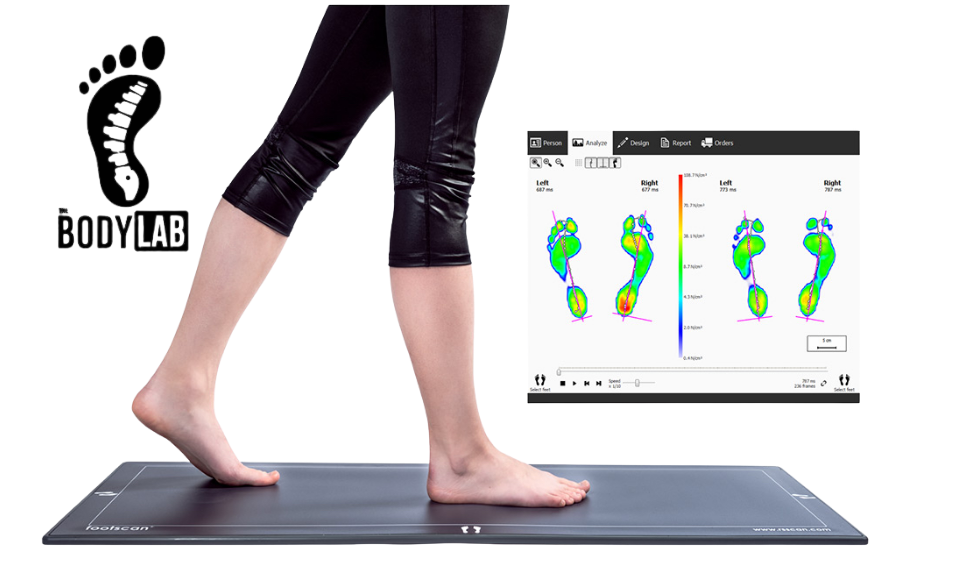
Discover how foot pressure plate analysis in Canberra reveals how you walk, move, and load your body. Advanced gait assessment at The Body Lab.
A 2025 study suggests stimulating lymphatic vessels in the neck can double brain waste clearance—but before you start massaging your face non-stop, let’s break down what the research actually shows. From sleep and movement to fluid dynamics, this guide explains how your body really supports brain health—and where therapy fits in.
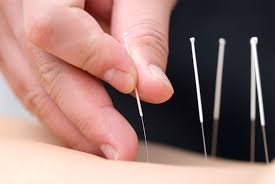
Cluster headaches are severe, recurring, and often resistant to medication. This guide explores how acupuncture and cranial therapy in Canberra can help reduce pain, frequency, and improve long-term outcomes.
Poor sleep affects hormones, metabolism, pain, and recovery. Evidence-based insights with Australian sleep data and metabolic perspective.
Persistent pain is not always caused by tight muscles or stiff joints. In many cases the nervous system and skin play a key role. Understanding this connection can change how chronic pain is treated.
Dermo-Neuro Modulating is a gentle manual therapy technique that works through the skin to calm irritated nerves and reduce pain. Developed by physiotherapist Diane Jacobs, it offers a modern, neuroscience-informed approach to treating persistent pain conditions.
Ankle sprains are often treated as ligament injuries, but the mechanics of the foot tell a much bigger story. One structure that frequently goes unnoticed is the Flexor Hallucis Longus (FHL) — the tendon that connects the calf to the big toe and plays a critical role in propulsion, arch stability, and walking efficiency. Because this tendon runs through a narrow tunnel behind the ankle joint, it can be compressed or irritated during common inversion ankle sprains. Understanding how the FHL contributes to foot mechanics may help explain persistent ankle stiffness, reduced push-off power, and ongoing pain after injury. Exploring the role of the big toe in ankle recovery offers a more complete view of foot biomechanics and movement rehabilitation.
If you’ve ever searched “acupuncture for pain Canberra”, chances are something in your body has decided it’s had enough. Maybe it’s your heel barking every morning, a shoulder that refuses to behave, or a lower back that stiffens the moment you sit down too long.
Acupuncture can be remarkably effective for reducing pain. But here’s the honest truth most clinics won’t say out loud:
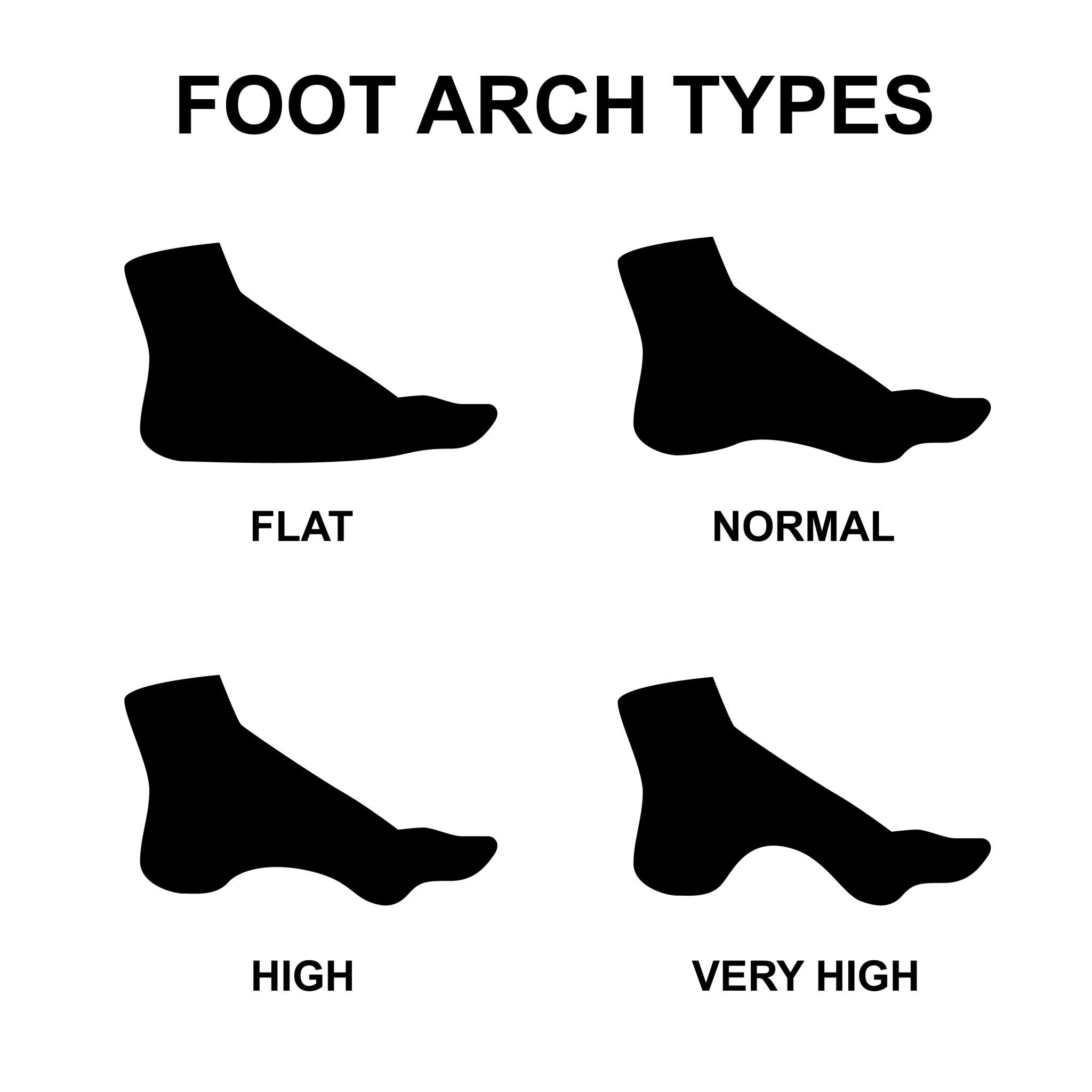
Foot shape plays an important role in how the foot absorbs force and distributes pressure during walking. From flatter pes planus feet to the higher-arched pes cavus foot type, these structural differences influence how load travels through the heel and arch.
Understanding how these loading patterns affect the tissues around the heel—including the plantar fascia and Baxter’s nerve—may help explain why some people develop persistent heel pain while others do not.
Most cases of heel pain are quickly labelled plantar fasciitis, but that diagnosis doesn’t always tell the full story.
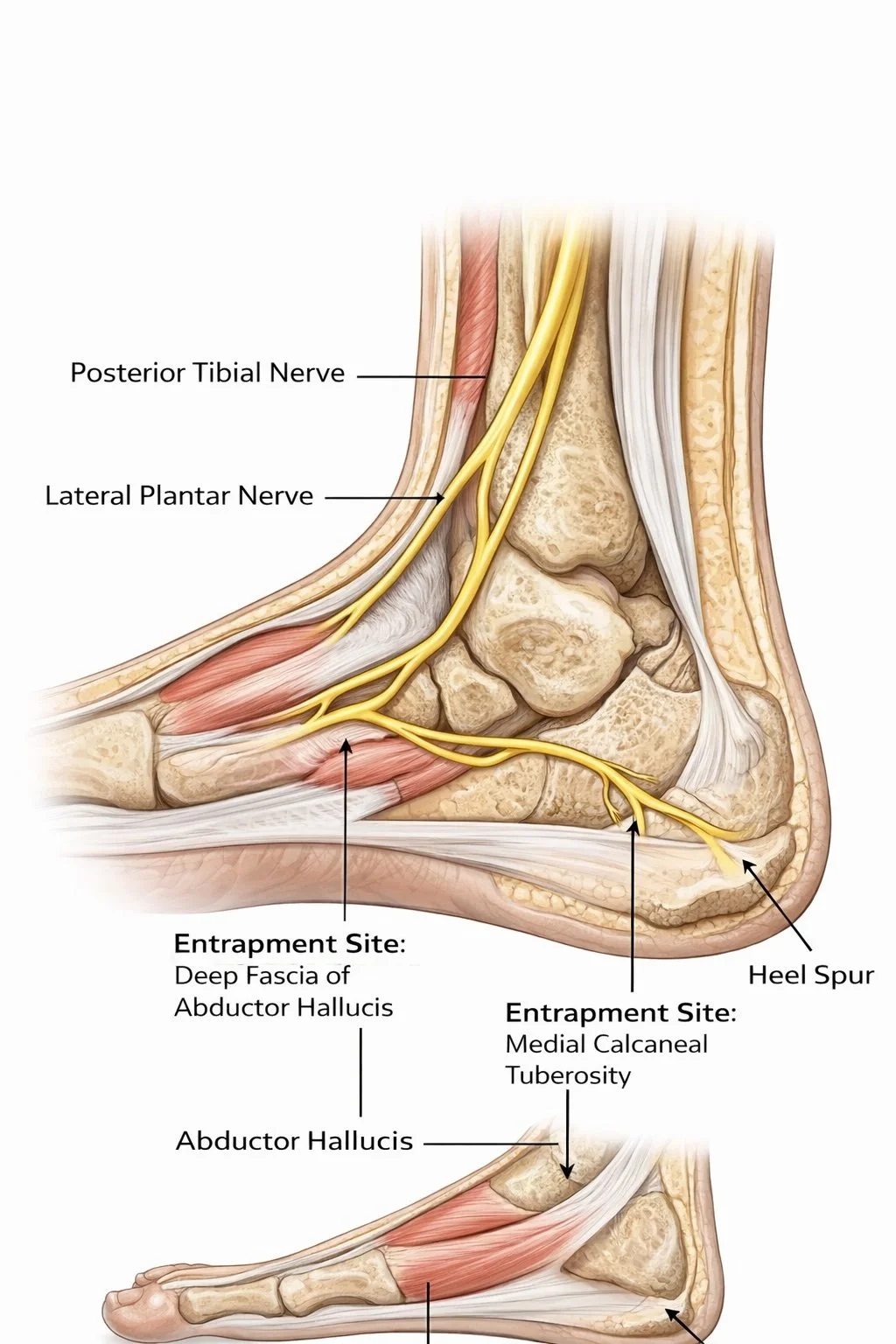
Research suggests that Baxter’s nerve entrapment—compression of the inferior calcaneal nerve—may account for up to 20% of chronic heel pain cases. Because the symptoms overlap with plantar fasciitis, this nerve condition is frequently overlooked.
Understanding how gait mechanics and medial heel loading influence the tissues surrounding Baxter’s nerve can help explain why some heel pain persists despite traditional treatments.
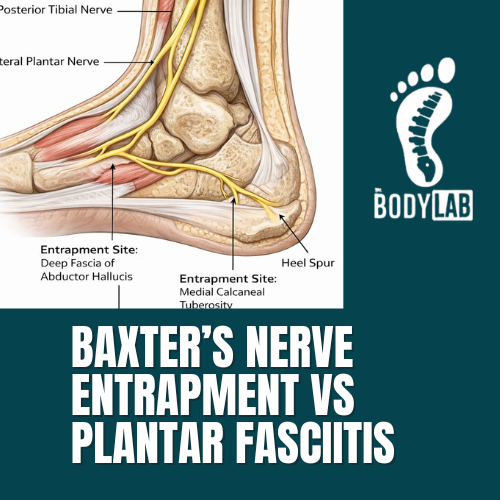
Most cases of heel pain are quickly labelled plantar fasciitis, but that diagnosis doesn’t always tell the full story.In fact, research suggests that up to 20% of chronic heel pain cases may involve compression of Baxter’s nerve, a small branch of the lateral plantar nerve that runs along the inside of the heel. Because the symptoms overlap, Baxter’s nerve entrapment is frequently mistaken for plantar fasciitis.While plantar fasciitis involves irritation of the plantar fascia, Baxter’s neuropathy is a nerve compression problem, which means the symptoms, mechanics and treatment considerations can be quite different.
Understanding the difference is important. Treatments designed for plantar fascia inflammation may not help nerve-related heel pain—and in some cases may even aggravate the underlying problem.
In this article we explore the key anatomical and biomechanical differences between these two conditions and explain why a deeper look at foot mechanics and gait can be crucial when heel pain persists.
Heel pain when walking is one of the most common problems I see at The Body Lab in Canberra. Here’s why it happens and how improving foot mechanics can help.
Foot pain is often treated locally, but the real cause may lie in how your foot and ankle manage force during movement. Learn how foot mechanics, tendon loading and gait influence heel pain, plantar fasciitis, posture and movement efficiency.
Most people think stress is all adrenaline and action.
But there’s another version — the quiet one. The one where motivation fades, energy drops, and your nervous system stops fighting and starts conserving.
This isn’t weakness. It’s biology.
Research from Martin Seligman and earlier work by Curt Richter showed that when stress becomes uncontrollable, the brain shifts into a shutdown pattern known as learned helplessness.
At a chemical level, this state is linked to altered acetylcholine signaling, increased nitric oxide, reduced thyroid hormone activity, and impaired mitochondrial energy production. In simple terms? Your metabolism and your mood are having the same conversation.
The good news: the nervous system is plastic. Environment, light exposure, movement, social connection, and metabolic support all influence whether the brain adapts toward resilience — or surrender.
Helplessness isn’t a character flaw.
It’s a reversible physiological state.
Tendon pain doesn’t heal with rest alone. Modern research shows tendons need the right kind of load, at the right time, to recover. This article breaks down what actually works — using the latest evidence from leading tendon researchers — and explains why rehab advice often sounds confusing but isn’t wrong.
I think people are expecting to be fixed in one session and people don’t realise the amount of joints and muscle connections in the lower body and the work needed (strength) and connectiveness (joint sequencing) to actually have a foot or lower limb function in walking.
The lower limb is not a single joint or muscle problem. It is a highly complex, multi-joint system that relies on precise timing, coordination, and load sharing between joints, muscles, tendons, ligaments, and the nervous system (Neumann, 2017; Standring, 2021).
Many people expect foot or knee pain to be “fixed” in one session.
But walking is a whole-body task involving nearly 78 joints, the nervous system, and connective tissue that adapts slowly over time. This article explains why real change takes longer — and why that’s exactly how lasting results happen.
Riccardo Galeotti doesn’t treat pain by chasing symptoms — he looks at how your body actually moves. As the founder of The Body Lab Canberra, Riccardo combines biomechanics, gait analysis, movement therapy, and acupuncture to uncover the patterns driving recurring pain. By focusing on how you walk, load, and adapt to gravity, his work helps clients move better, feel stronger, and build long-term resilience — not just short-term relief.