Not Just Needles
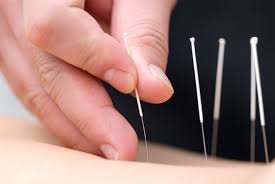
When most people think of acupuncture, they imagine needles—lots of them. And sure, acupuncture is a big part of what I do, but it’s far from the whole picture. In fact, I take a whole-body approach to healing that digs way deeper than just poking a few acupuncture points. Because, let’s be honest, pain doesn’t usually happen in isolation. It’s connected to how you move, how you hold yourself, and even how your body interacts with the ground. That’s where my blend of functional biomechanics, cranial therapy, and yes, acupuncture, comes into play.
It’s Not Just Where It Hurts—It’s Why It Hurts
Here’s the deal: pain is often the body’s way of saying, “Hey, something’s off!” And while that pain might show up in your lower back, or your neck, or your feet, it might not be caused by that specific spot. That’s why my job isn’t just to treat the pain. I need to figure out why you’re in pain in the first place.
That’s where functional biomechanics (or movement therapy) comes in. Think of your body like a chain—if one link is out of whack, it’s going to throw off the whole thing. So, instead of just treating the sore spot, I look at how your entire body moves. We’ll talk about how you walk, how your joints move, and even how you stand. Because if something’s off in your posture or the way you move, it could be causing—or at least contributing to—your pain.
Cranial Therapy: More Than Just Needles
Let’s talk about cranial therapy for a second. This is another one of those tools I use to look at the bigger picture. Sometimes, pain can be linked to tension or restrictions in the head, neck, or spine. With cranial therapy, I work on releasing that tension to help with everything from headaches and migraines to jaw pain and neck stiffness.
And here’s the kicker—it’s all connected. The way your head sits on your spine affects how your whole body moves. If there’s tension in the neck, it could be influencing your shoulders, back, and even how you walk. That’s why cranial therapy is such a key part of my approach—it’s about realigning the body from the top down.
Feet First: Why Foot Mechanics Matter More Than You Think
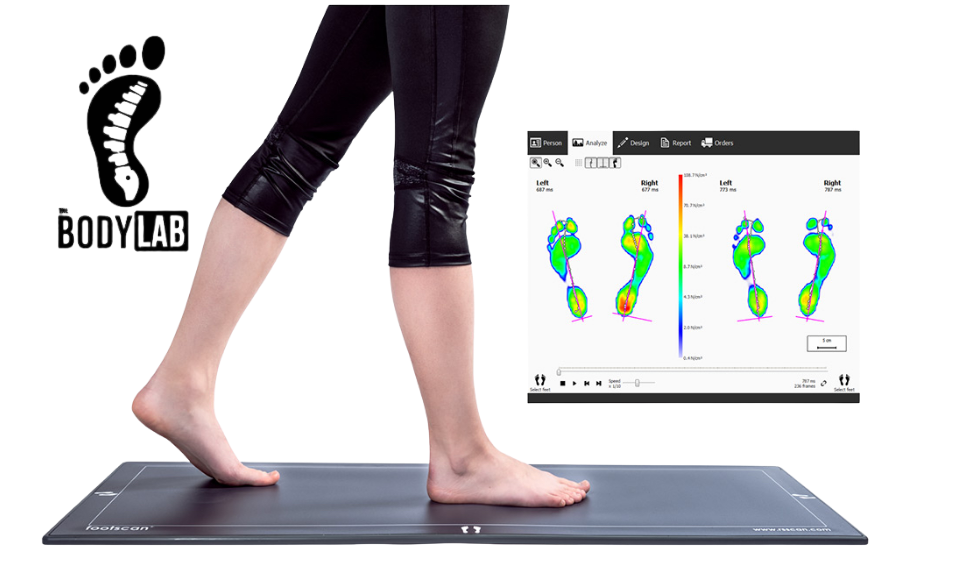
Here’s something you might not have thought about: how much your feet play a role in your overall pain. If your feet aren’t working properly—if the pressure is uneven, or your arches are collapsing—it’s going to affect everything up the chain. That’s why I use foot pressure scans to see what’s going on with your foundation.
Think about it this way: if the foundation of your house is cracked, the walls, roof, and windows are going to feel it, right? The same goes for your body. If your feet are off, your knees, hips, back, and neck are likely going to pay the price. So, I’ll assess how the pressure in your feet is distributed to see if it’s throwing the rest of your body out of alignment.
The Whole-Body Difference: It’s About Staying Better, Not Just Feeling Better
The goal here isn’t just to make you feel good for a few days (though that’s nice too). It’s about finding out what’s really causing your pain and fixing the underlying issue. When we combine acupuncture with functional biomechanics and cranial therapy, we’re treating the root causes of your pain, not just the symptoms.
And let’s be honest—what good is it to feel better for a day if the pain is just going to come back? My approach is designed to keep you pain-free, not just temporarily relieved.
A Personalised Program for Long-Term Relief
Once I assess your body’s movements, foot mechanics, and overall alignment, I might even recommend a personalised program to keep the progress going. Whether that means addressing your walking patterns, working on posture, or even focusing on specific exercises to strengthen key areas, we’ll make sure you’re set up for long-term success. This isn’t a one-and-done kind of treatment—it’s about empowering you to understand your body and take control of your health.
Ready to Get to the Root of Your Pain?
If you’re tired of quick fixes and you want a whole-body approach that digs deeper, this is it. Whether it’s acupuncture, cranial therapy, foot pressure analysis, or a combination of all three, my goal is to get you moving better, feeling better, and staying better.
Book a free consultation today, and let’s chat about how we can tackle your pain for good. Because once we get to the root of the issue, you’ll wonder why you didn’t start sooner.
Ehlers-Danlos Syndrome (EDS) is often misunderstood as simply being “double-jointed” or unusually flexible. In reality, EDS is a complex connective tissue disorder that affects joint stability, proprioception, pain processing, fatigue, autonomic function, and movement control throughout the entire body.
For therapists, this creates a unique clinical challenge. Many traditional rehabilitation approaches that work well for the general population—including aggressive stretching, heavy manual therapy, or isolated strengthening—can sometimes worsen symptoms in people with EDS. What appears to be weakness may actually be instability. What appears to be tightness may be a protective strategy. And what appears to be a local joint problem may reflect a much larger whole-body compensation pattern. Understanding EDS requires a shift away from simply chasing pain or increasing mobility and towards improving control, body awareness, load management, nervous system regulation, and long-term resilience.
In this article, we explore the current evidence surrounding EDS, including proprioception, pain, strength training, autonomic dysfunction, fascia, breathing mechanics, and the role of whole-body assessment. We also examine where emerging concepts such as biotensegrity and fascial therapy may fit within modern clinical practice and discuss the key principles every therapist should understand when working with hypermobile patients.
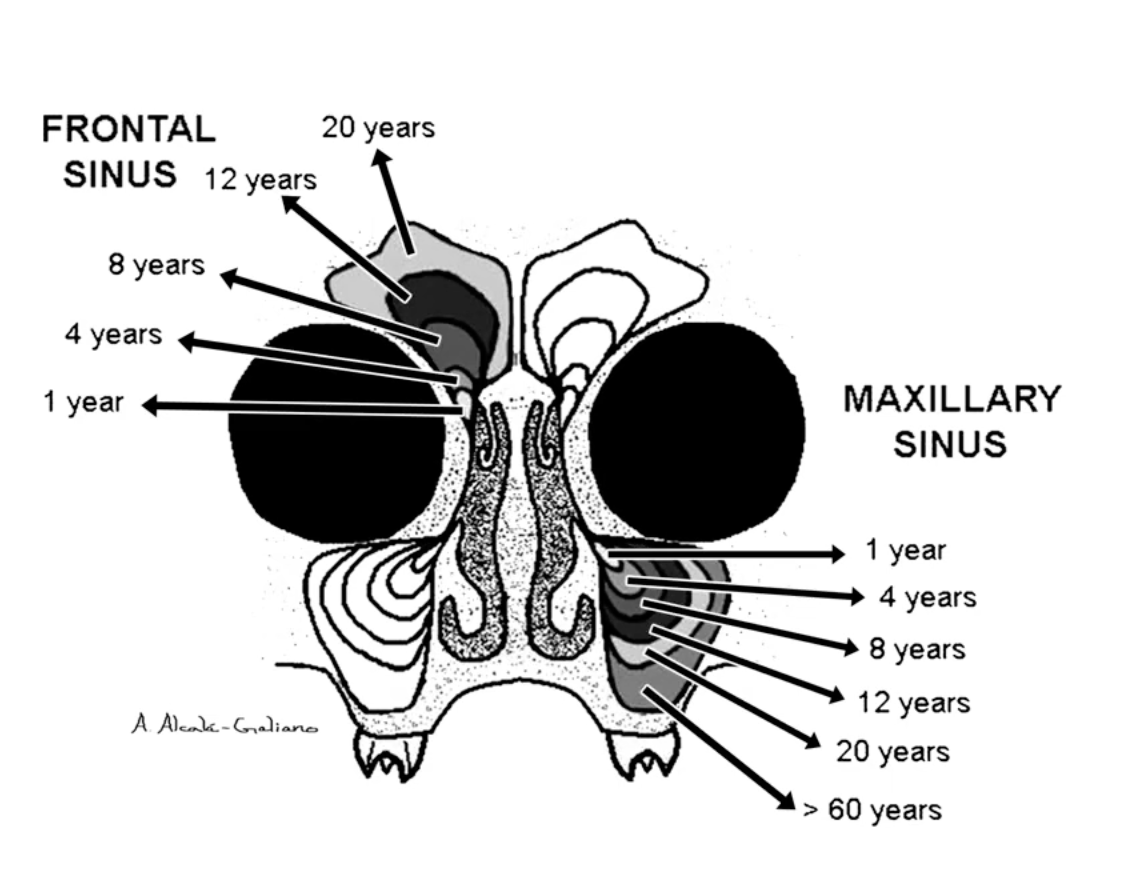
Most people think cavities are caused by sugar alone. But the way you breathe may be playing a bigger role than you realise. Nasal breathing supports saliva production, healthy sinus development and proper facial growth, while chronic mouth breathing has been linked to dental crowding, dry mouth and an increased risk of tooth decay. Discover why your nose may be one of the most important tools for protecting your teeth and shaping your face.
Most people assume breathing exercises and breathing retraining are the same thing.
They’re not.
In fact, this misunderstanding may be one of the biggest reasons people continue to struggle with poor sleep, jaw tension, anxiety, headaches, fatigue, and breathing-related problems despite regularly practising breathing techniques.
Think about it.
The average person takes around 20,000 breaths every day.
A five-minute breathing exercise might influence a few dozen of them.
What about the other 19,900?
This is where breathing retraining becomes different. Rather than focusing on a specific exercise, breathing retraining aims to change your everyday breathing patterns—while you’re working, walking, talking, sleeping, exercising, and dealing with stress.
In this article, we’ll explore why breathing exercises alone often fail to create lasting change, the difference between breathwork and breathing retraining, and how improving your default breathing habits may have a greater impact on your health than any breathing technique.
Most of us never think about breathing until something goes wrong.
A blocked nose. Poor sleep. Anxiety. Headaches. Jaw tension. Fatigue.
The common assumption is that we need more oxygen. But what if the problem isn’t a lack of oxygen at all?
Modern research suggests that many people breathe far more than their bodies actually require. In doing so, they may be disrupting the delicate balance between oxygen and carbon dioxide that helps regulate blood flow, nervous system function, sleep quality and even oxygen delivery to the tissues.
In this article, we’ll explore why bigger breaths aren’t always better, why carbon dioxide may be one of the most misunderstood gases in human physiology, and how your breathing habits could be influencing everything from jaw tension and posture to energy levels and recovery.
When most people develop jaw pain, clicking, clenching, or teeth grinding, attention immediately turns to the jaw joint itself.
Makes sense.
After all, that’s where the symptoms are.
But what if the jaw isn’t actually the starting point?
What if it’s simply the place where a much larger story is being expressed?
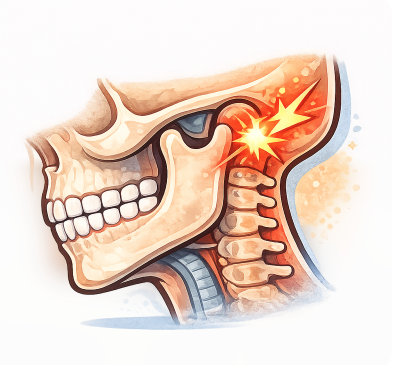
Emerging research suggests that many cases of TMJ dysfunction may involve far more than joint mechanics alone. Breathing patterns, sleep quality, nervous system regulation, tongue posture, neck tension, stress, and even the way the brain processes sensory information may all play important roles.
In other words, your jaw might not be malfunctioning because it is broken.
It might be working overtime because other systems are struggling.
In this article, we’ll explore the fascinating relationship between the jaw, neck, airway and nervous system—and why treating the jaw alone may not always provide lasting relief.
Most people think stress lives in the mind. Others think it lives in the shoulders. But what if one of the body’s favourite places to store stress is your jaw?
Emerging research suggests the jaw is connected to emotional processing, pain perception, breathing, posture and even activity within the brain’s limbic system. Learn how jaw tension, chronic stress and inflammation may be influencing headaches, neck pain, fatigue and persistent pain—and why treating the whole person matters more than chasing symptoms.
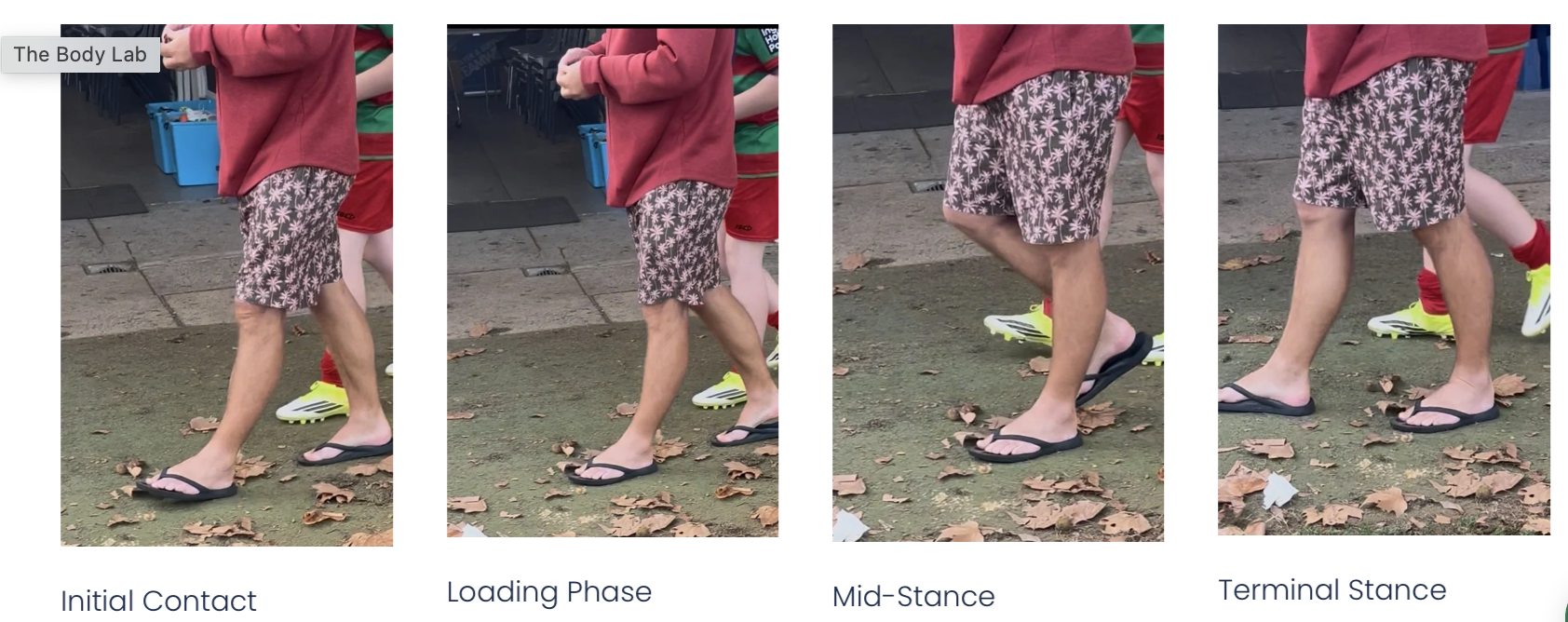
At a kids’ sporting match over the weekend, I watched a gentleman walking in thongs and immediately noticed something I see constantly in clinic: his body barely changed shape from heel strike through to mid-stance. His ankle stayed stiff, his knee barely adapted, and his pelvis remained locked in one position. Over time, this type of walking pattern can reduce force absorption, overload the lumbar spine, affect circulation, compress nerves, and contribute to chronic pain. Here’s why walking is really a force-management system — and what happens when the body loses its ability to adapt.
Most people think protein speeds up every type of tissue repair equally. New research says otherwise. Muscle rebuilds relatively quickly, but tendons, cartilage, ligaments, and bone operate on dramatically slower timelines — sometimes taking years to fully remodel. Here’s what that means for recovery, rehab, ageing, and why your tendon couldn’t care less about your two-week protein challenge.
Think posture is about sitting up straight? Think again. Posture isn’t a position—it’s a reflection of what your body can feel, move, and control. In this article, we break down what posture really is, why your nervous system is calling the shots, and how movement—not stiffness—is the key to changing it.
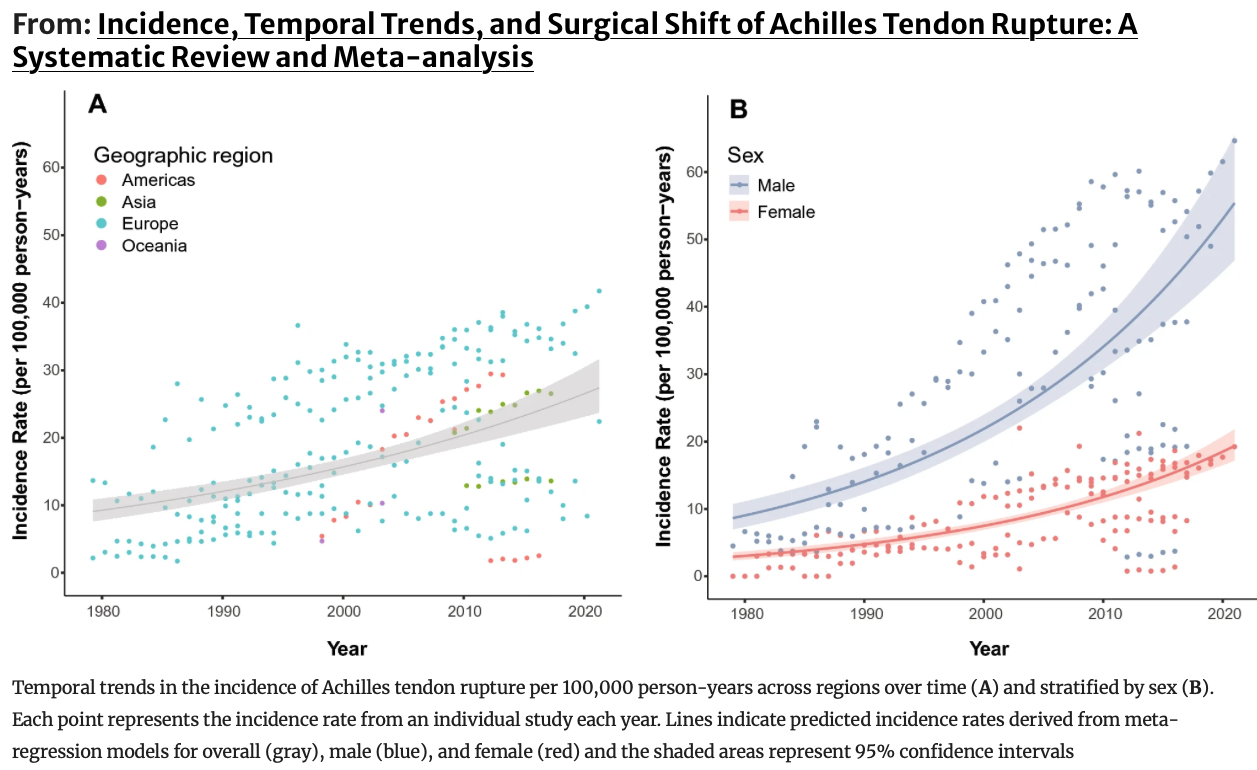
Achilles tendon ruptures are increasing worldwide. Learn why it’s happening, what the latest research shows, and how to improve tendon strength, foot mechanics, and prevent injury.
Struggling with bone loss or worried about osteoporosis? Learn how strength training, impact exercise, and balance work can improve bone health. Insights from Canberra physios at Next Gen.
Discover how foot pressure plate analysis in Canberra reveals how you walk, move, and load your body. Advanced gait assessment at The Body Lab.
A 2025 study suggests stimulating lymphatic vessels in the neck can double brain waste clearance—but before you start massaging your face non-stop, let’s break down what the research actually shows. From sleep and movement to fluid dynamics, this guide explains how your body really supports brain health—and where therapy fits in.
Cluster headaches are severe, recurring, and often resistant to medication. This guide explores how acupuncture and cranial therapy in Canberra can help reduce pain, frequency, and improve long-term outcomes.
Poor sleep affects hormones, metabolism, pain, and recovery. Evidence-based insights with Australian sleep data and metabolic perspective.
Persistent pain is not always caused by tight muscles or stiff joints. In many cases the nervous system and skin play a key role. Understanding this connection can change how chronic pain is treated.
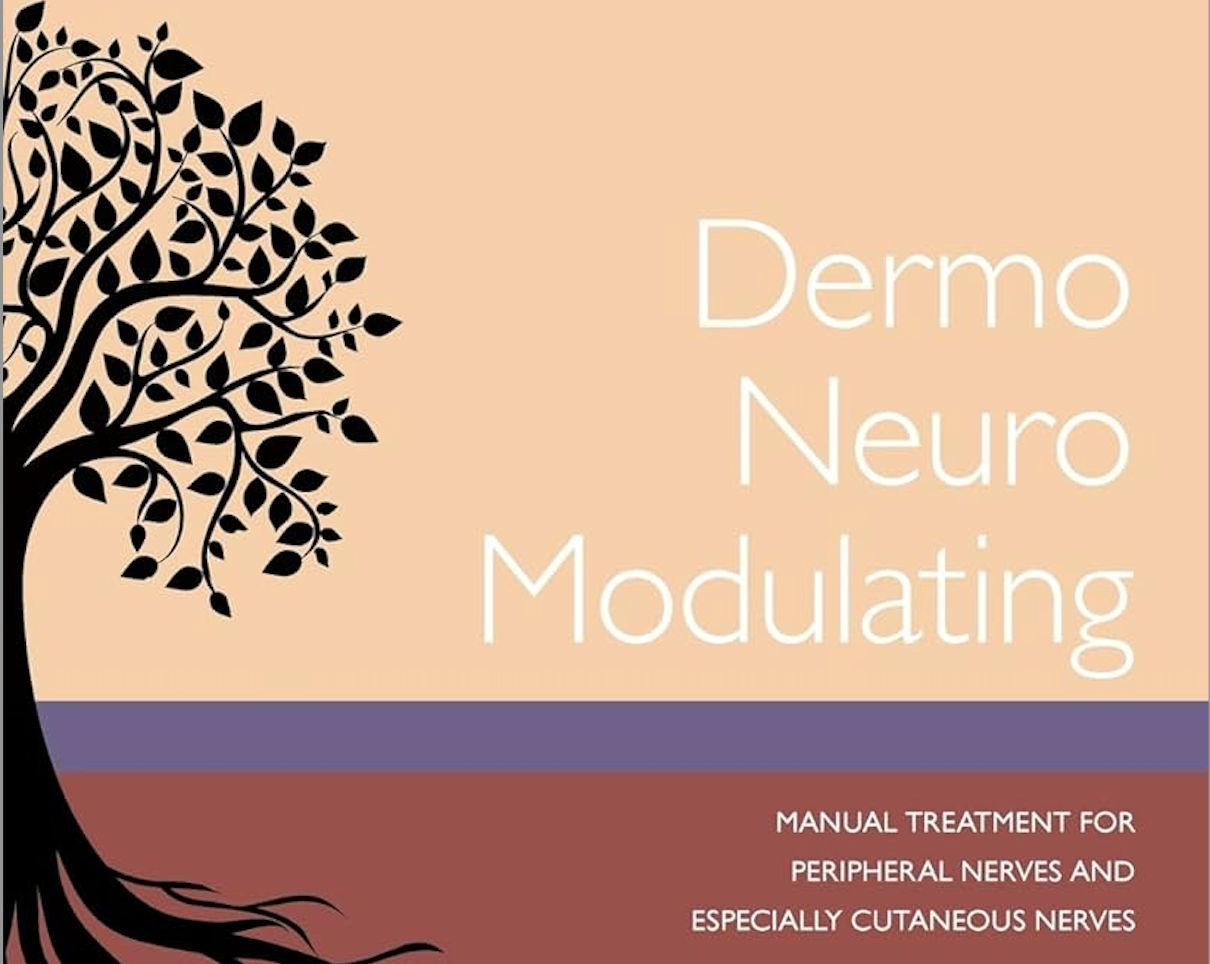
Dermo-Neuro Modulating is a gentle manual therapy technique that works through the skin to calm irritated nerves and reduce pain. Developed by physiotherapist Diane Jacobs, it offers a modern, neuroscience-informed approach to treating persistent pain conditions.
Ankle sprains are often treated as ligament injuries, but the mechanics of the foot tell a much bigger story. One structure that frequently goes unnoticed is the Flexor Hallucis Longus (FHL) — the tendon that connects the calf to the big toe and plays a critical role in propulsion, arch stability, and walking efficiency. Because this tendon runs through a narrow tunnel behind the ankle joint, it can be compressed or irritated during common inversion ankle sprains. Understanding how the FHL contributes to foot mechanics may help explain persistent ankle stiffness, reduced push-off power, and ongoing pain after injury. Exploring the role of the big toe in ankle recovery offers a more complete view of foot biomechanics and movement rehabilitation.
If you’ve ever searched “acupuncture for pain Canberra”, chances are something in your body has decided it’s had enough. Maybe it’s your heel barking every morning, a shoulder that refuses to behave, or a lower back that stiffens the moment you sit down too long.
Acupuncture can be remarkably effective for reducing pain. But here’s the honest truth most clinics won’t say out loud:
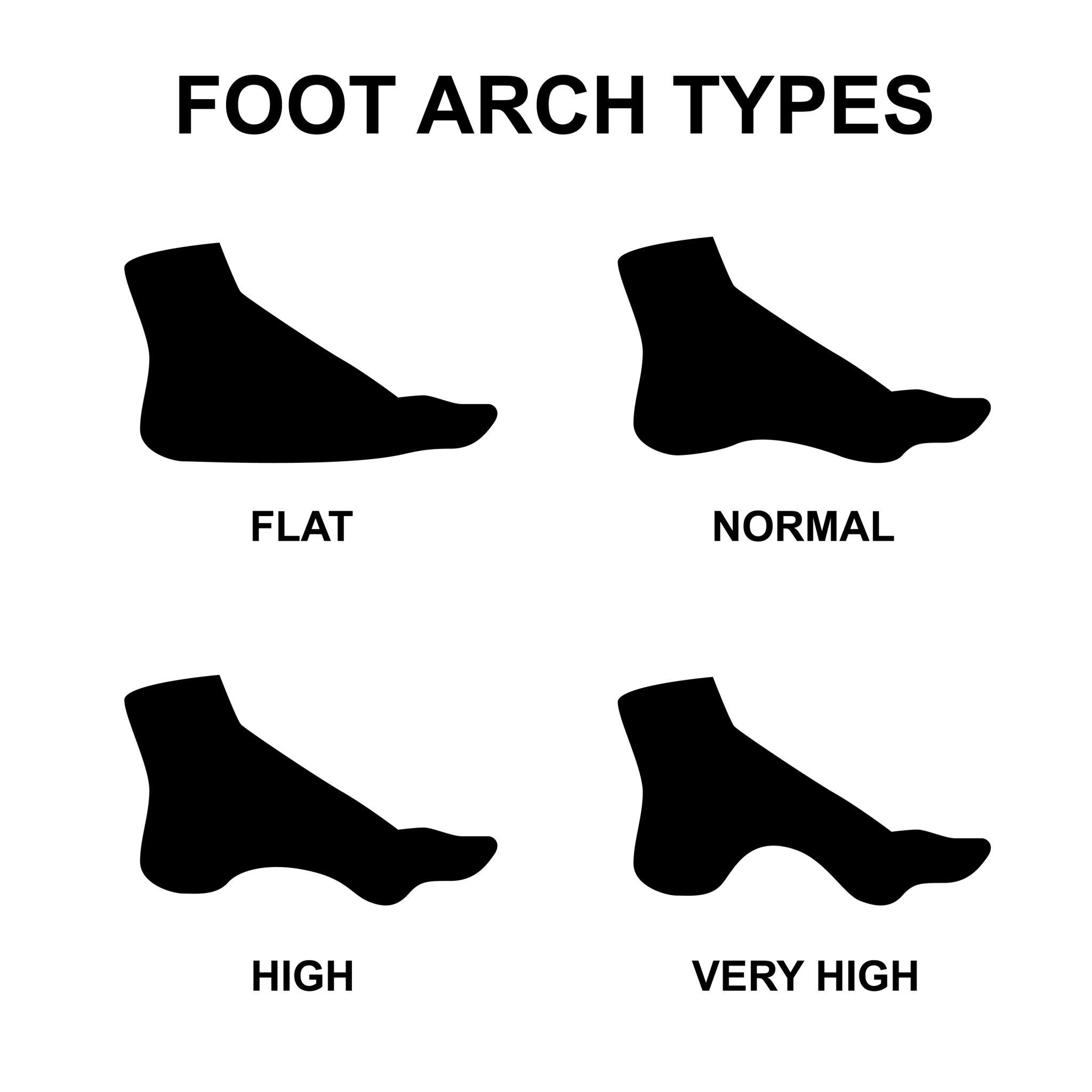
Foot shape plays an important role in how the foot absorbs force and distributes pressure during walking. From flatter pes planus feet to the higher-arched pes cavus foot type, these structural differences influence how load travels through the heel and arch.
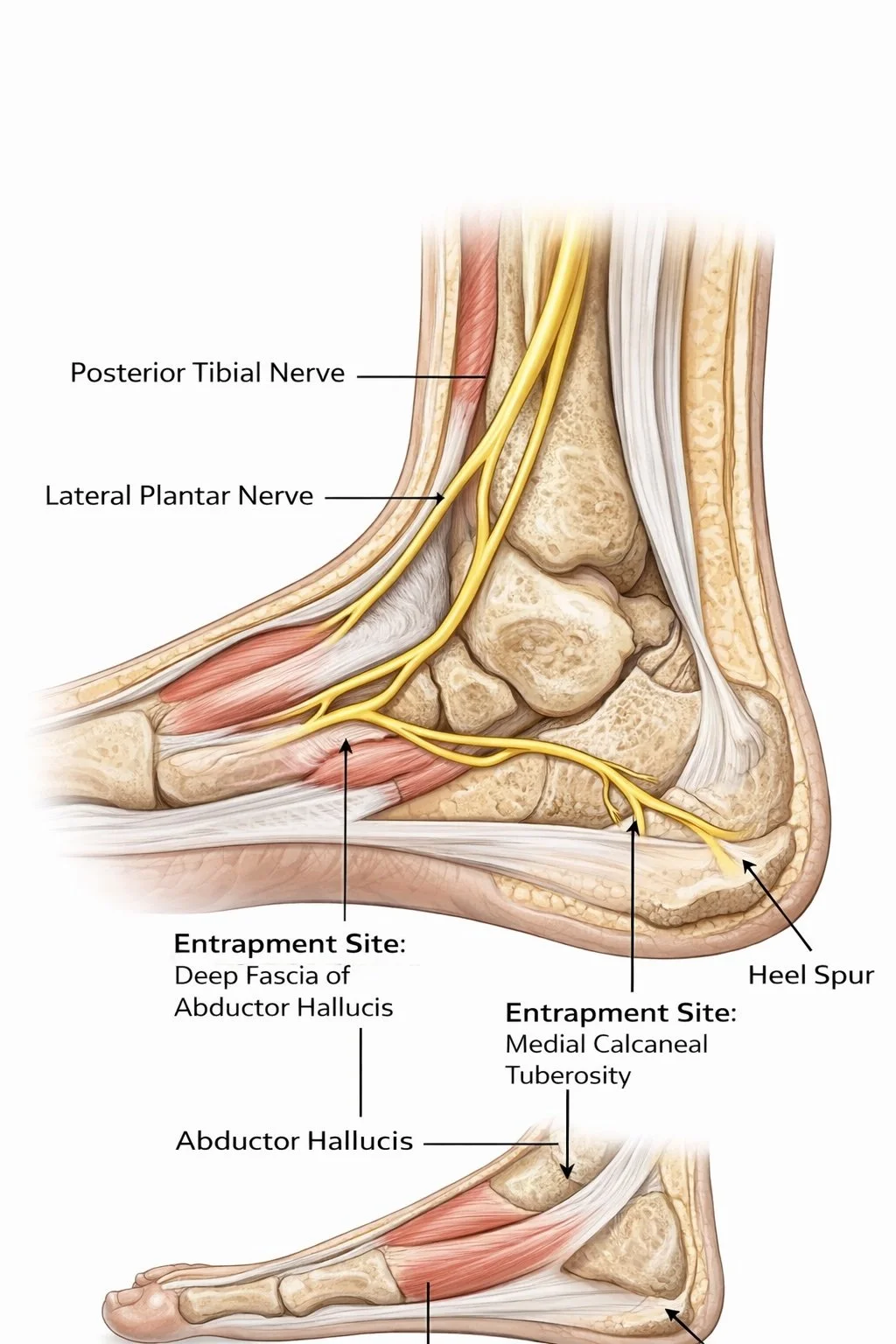
Understanding how these loading patterns affect the tissues around the heel—including the plantar fascia and Baxter’s nerve—may help explain why some people develop persistent heel pain while others do not.
Most cases of heel pain are quickly labelled plantar fasciitis, but that diagnosis doesn’t always tell the full story.
Research suggests that Baxter’s nerve entrapment—compression of the inferior calcaneal nerve—may account for up to 20% of chronic heel pain cases. Because the symptoms overlap with plantar fasciitis, this nerve condition is frequently overlooked.
Understanding how gait mechanics and medial heel loading influence the tissues surrounding Baxter’s nerve can help explain why some heel pain persists despite traditional treatments.