Cranial Therapy and Acupuncture for Headache Treatment
Headaches rarely come from just one place.
Migraine treatment review
While many treatments focus on reducing the pain itself, headaches are often influenced by tension patterns through the neck, jaw, spine, and nervous system.
At The Body Lab, headache treatment often combines acupuncture and cranial therapy to address these underlying patterns.
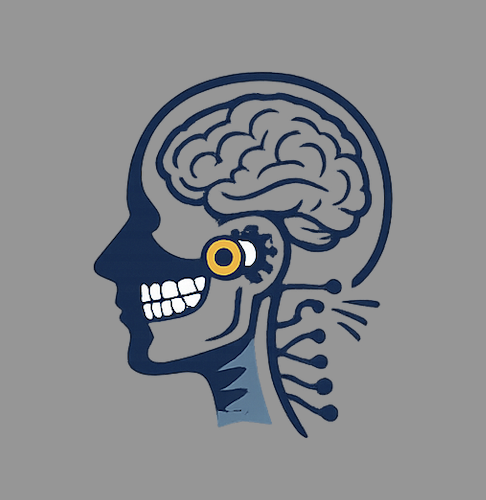
Acupuncture helps regulate pain pathways, circulation, and nervous system activity.
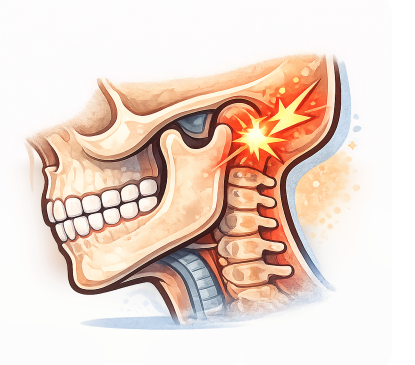
Cranial therapy works more mechanically — helping reduce tension through the skull, upper spine, and surrounding tissues.
Together, these treatments aim to create the conditions where the body can release pressure and restore normal movement around the head and neck.
For many people, this combination provides a deeper and longer-lasting approach than treating headaches in isolation.
According to the World Health Organisation (WHO), half of all adults worldwide have experienced a headache in the past year, with 30% reporting migraines. While some headaches can be managed with rest or over-the-counter medications, others persist despite various treatments. That’s where natural treatments for migraines like acupuncture and cranial sacral therapy come into play. These therapies not only alleviate pain but also help reduce the frequency and intensity of headaches over time.
Common Types of Headaches
Before diving into treatment options, it’s essential to understand the type of headache you’re experiencing:
• Migraine headaches: Intense throbbing pain, often accompanied by nausea, light sensitivity, and sometimes auras.
• Tension headaches: A dull, aching sensation, usually described as a tight band around your head.
• Cluster headaches: Severe pain around one eye or on one side of the face.
• Hormone-related headaches: Often linked to the menstrual cycle or other hormonal imbalances.
Each type of headache has unique triggers and characteristics, but the good news is that acupuncture and cranial sacral therapy can address them all. These techniques work to balance your body’s energy (Qi) and release tension in the muscles and tissues, offering relief without medication.
How Does Acupuncture Help with Headaches?
In Traditional Chinese Medicine (TCM), headaches are often seen as a sign of an imbalance in the body’s Qi, blood, or fluids. By targeting specific acupuncture points, I aim to unblock energy pathways and restore your body’s natural harmony. Acupuncture for migraines and other headaches has been shown to reduce both the intensity and frequency of headaches in numerous studies.
During your visit, I will perform a comprehensive assessment that includes:
Pulse measurement to evaluate your current health status.
Tongue examination to gauge your digestive system and long-term health.
A review of your medical history to identify potential patterns and triggers.
By taking this holistic approach, I tailor a treatment plan specifically for you, focusing on the type and location of your headache, as well as factors that make it better or worse. Ask your therapist if they take pulse and tongue examinations unfortunately most therapist don’t.
How Cranial Therapy Supports Headache Relief
Cranial therapy is a gentle hands-on approach that focuses on the relationship between:
the skull
the spine
the nervous system
the fluid systems surrounding the brain and spinal cord
Tension around these structures can influence:
head pressure
neck stiffness
jaw tension
nervous system sensitivity
Cranial therapy works to reduce these restrictions and restore subtle movement between the bones and tissues of the head and spine.
When combined with acupuncture, this often helps calm the nervous system and reduce the physical tension that contributes to chronic headaches.
What to Expect During a Headache Consultation
Your first appointment focuses on understanding why the headaches are occurring, rather than simply suppressing the symptoms.
We begin by discussing key questions such as:
When did your headaches begin?
How often do they occur?
Where is the pain located?
What seems to trigger them?
What relieves the pain?
From there, a treatment plan may include acupuncture, cranial therapy, and movement-based strategies depending on what your body needs.
The aim is not only to reduce the current headache, but to reduce the likelihood of future episodes.
Acupuncture for Specific Headaches

Temporal Headache
These headaches can be pounding and throbbing in nature that is usually localised on one side of the head, around the temple area but also around the front of the head. These headaches can arise from just one sides of head but some people experience migraine that radiates around the head also.
There are other indications that a temporal headache is starting with symptoms like constipation, mood swings, and cravings days before the pain occurs. Chinese Medicine would view this either as a liver-yang rising pattern or phlegm retention pattern of disharmony depending on its root cause.

Tension Headache
A tension headache can feel like a tight band around your forehead like a feeling of someone pushing into the head with a wet towel. Some people may feel a dull, aching sensation all over your head with some tenderness or sensitivity around your neck, scalp, forehead or shoulder muscles also might occur. These headaches may occur one or two times per month on average and are episodic headaches but tension headaches can be chronic. Stress is the often the tigger of tension headaches. In terms of Chinese medicine a tension headache may be due to a deficiency syndrome, dullness implies deficiency potentially from Liver Yin causing Liver-yang to rise upwards.

Cluster Headache
Cluster headache occur around or behind one eye or on one side of the face at a time. The typical symptoms may include severe burning and piercing pain behind the eyes with swelling, redness, flushing, and sweating on the side that’s affected by the headache. Congestion of the nasal is reported and tearing of the eyes. These headache can last from fifteen minutes to three hours in duration and come in series of waves over the day. Cluster headaches can occur at the same time of the day and can be one after the other. In terms of Chinese Medicine cluster headaches located at the eyes are related to the liver either due to Liver Blood deficiency with liver yang rising symptoms. Most often occur during the change of weather either side of winter, in the spring or autumn months.

Migraine
A headache termed as a Migraine, is usually a different kind of sensation that causes intense pulsing pain deep within your head. A duration of a migraine episode may last anywhere between four hours to three days. These migraines will significantly limiting your ability to live life and will disrupt your daily routine. Common symptoms throbbing pain, usually on one side of the head, light and sound sensitivity with the feeling of nausea and vomiting for added annoyance. Auras are sometimes included with these headache which manifest with tingling on one side of your face or in one arm and trouble speaking, flashing or shimmering lights, zigzag lines, stars and blind spots. Chinese Medicine would view these headaches as a deficiency type of headache which has progressed into a excess type. The deficiency will be from yin (fluids, blood, hormonal) then progressing to excess (yang, qi) due to inability of the substances (yin, fluid etc) to control the rising and persistence yang. Usually from a Kidney Yin deficiency.
Why Combine Acupuncture and Cranial Therapy?
Many people seeking headache treatment have already tried medications, massage, or lifestyle changes.
While these can help temporarily, headaches often return when the underlying tension patterns remain unchanged.
Combining acupuncture with cranial therapy allows us to address both:
• nervous system regulation
• mechanical tension around the skull and spine
This integrated approach can help reduce the frequency and intensity of headaches over time.
Natural Headache Treatment in Canberra
If headaches have become a regular part of your life, it may be helpful to explore a treatment approach that looks beyond the pain itself.
At The Body Lab Canberra, headache treatment focuses on understanding how tension and movement patterns influence the head, neck, and nervous system.
By combining acupuncture, cranial therapy, and movement assessment, we aim to create lasting improvements rather than temporary relief.
Book a Headache Assessment
If headaches keep returning, the first step is understanding what may be contributing to them.






References:
1. Hui Zheng,et al, Acupuncture for Patients With Chronic Tension-Type Headache, A Randomized Controlled Trial, Neurology Oct 2022, 99 (14) e1560-e1569; DOI: 10.1212/WNL.00000000002006702. Zhao L, Chen J, Li Y, et al. The Long-term Effect of Acupuncture for Migraine Prophylaxis: A Randomized Clinical Trial. JAMA Intern Med. 2017;177(4):508–515. doi:10.1001/jamainternmed.2016.9378
3. https://www.who.int/news-room/fact-sheets/detail/headache-disorders#:~:text=Half%20to%20three%20quarters%20of,of%20the%20world's%20adult%20population.
4. Headache Classification Committee of the International Headache Society (IHS) The International Classification of Headache Disorders, 3rd edition, https://journals.sagepub.com/doi/epub/10.1177/0333102417738202