Acupuncture in Canberra
Why I Still Practise Acupuncture After Twenty Years
People often assume that because I spend so much time analysing movement, gait, posture and breathing, I’ve moved away from acupuncture.
The truth is exactly the opposite.
Acupuncture remains one of the treatments I use most often. What has changed isn’t my belief in acupuncture—it’s my understanding of the human body.
When I first began studying Classical Chinese Acupuncture, I was fascinated by the idea that the body should never be viewed as a collection of separate parts. Every symptom was connected to something larger, and understanding those relationships was far more important than simply treating where it hurt.
That philosophy has stayed with me throughout my career.
Over the past two decades I’ve continued to study biomechanics, gait analysis, cranial therapy, joint mechanics, strength and conditioning, breathing rehabilitation and movement science. Each discipline added another piece to the puzzle, but none replaced acupuncture.
Instead, they helped me understand why acupuncture works so well for some people and why, for others, it needs to be combined with movement rehabilitation, exercise or other hands-on treatments to create lasting change.
Today, I don’t see acupuncture as a stand-alone therapy.
I see it as one of the tools that helps people move better, recover more effectively and build healthier movement patterns.
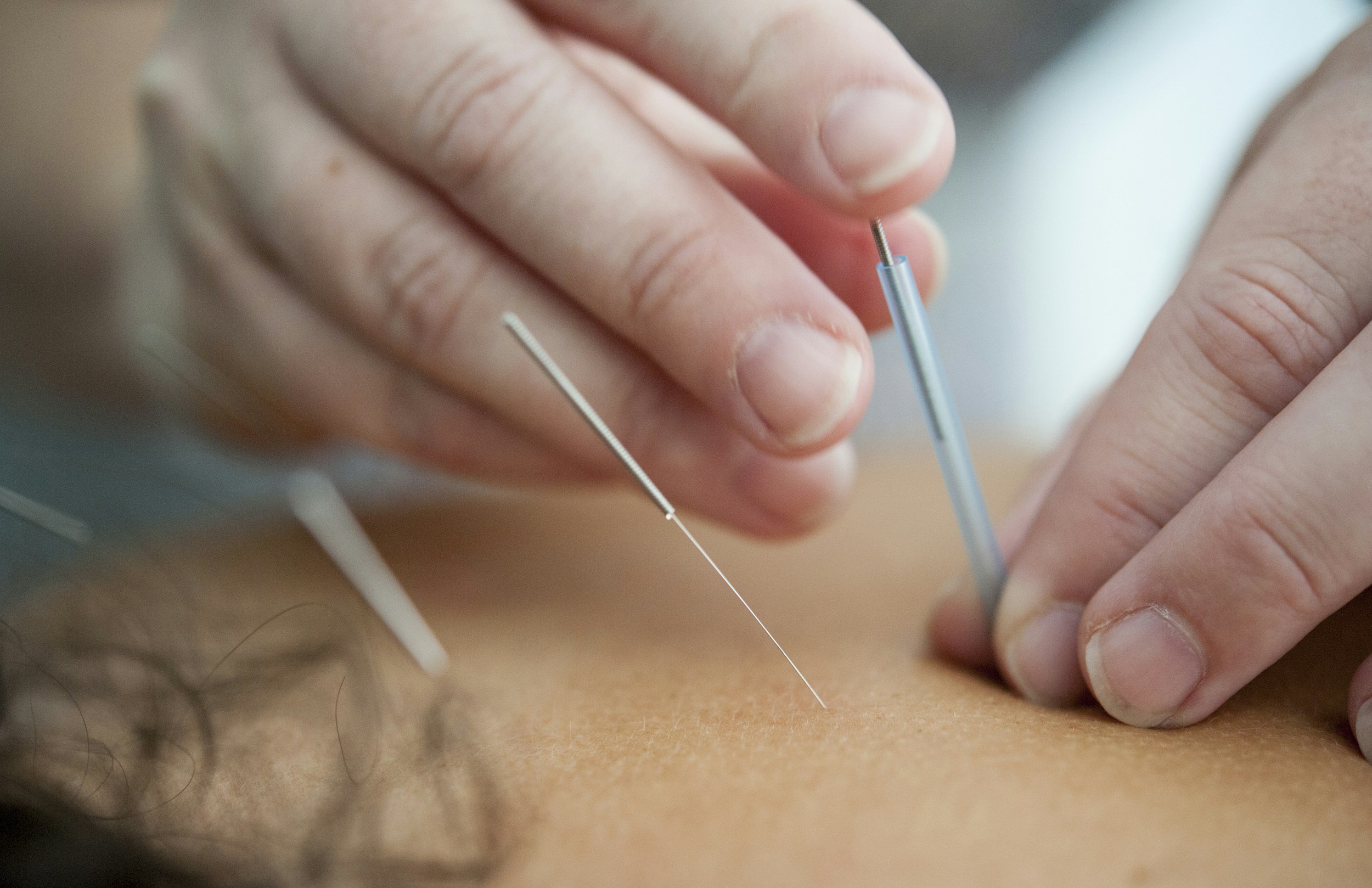
From Traditional Medicine to Modern Movement
One of the greatest lessons acupuncture taught me was to stop chasing symptoms.
If somebody has neck pain, the neck isn’t always the problem.
If somebody has heel pain, the heel isn’t always the problem.
Those ideas aren’t unique to movement therapy. They’re ideas that have existed within traditional medicine for centuries.
Modern biomechanics simply gives us another way of exploring those same relationships.
When I assess somebody today, I’m asking questions such as:
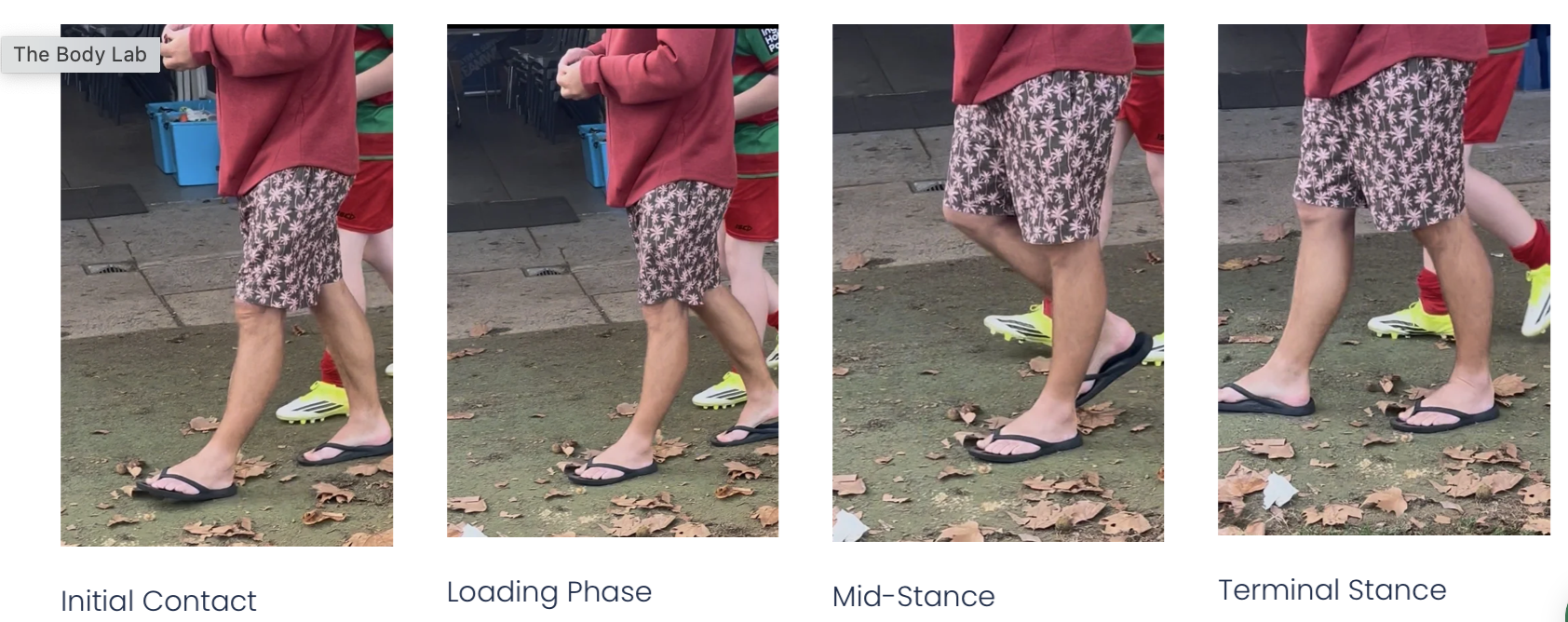
How does their body transfer force while walking?
Which joints have stopped contributing?
Which muscles are compensating?
Which movements has the nervous system forgotten?
Only then do I decide which treatment is most appropriate.
Sometimes that’s acupuncture.
Sometimes it’s dry needling.
Sometimes cranial therapy.
Sometimes movement retraining.
Quite often, it’s a combination of several approaches working together.
Why I Don’t Believe in One-Treatment Clinics
Healthcare has become increasingly technique-driven.
Some clinics only offer acupuncture.
Others only provide dry needling.
Others focus entirely on massage or manipulation.
The problem with that approach is that every patient receives variations of the same treatment, regardless of why their symptoms developed.
The Body Lab was created because I wanted something different.
Rather than asking, “Which treatment should we use?”, I wanted to ask, “What does this person’s body actually need?”
Sometimes the answer is acupuncture.
Sometimes it isn’t.
The assessment determines the treatment—not the clinic menu.We Assess Before We Treat
One of the biggest misconceptions about healthcare is that the treatment should come first.
I don’t believe that.
Two people may arrive with exactly the same shoulder pain but require completely different treatment because the reason their pain developed is different. One may have lost movement through the ribcage, another may have altered walking mechanics, while a third may be compensating for reduced spinal mobility.
Without understanding those relationships, we’re simply guessing.
That’s why every journey at The Body Lab begins with an assessment.Acupuncture Is Still One of My Favourite Tools
People occasionally ask whether I prefer acupuncture or dry needling.
I don’t.
That’s a little like asking whether I prefer a screwdriver or a spanner.
They’re both excellent tools.
They simply solve different problems.
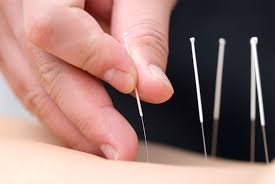
Acupuncture can be incredibly effective for calming the nervous system, reducing pain, supporting recovery and helping the body regulate itself more efficiently.
Dry needling may be more appropriate when a specific muscle or connective tissue restriction is limiting movement.
Movement rehabilitation becomes important when the body needs to learn a new strategy.
No single treatment does everything.
That’s why I continue using them together.
Every Treatment Begins the Same Way
Regardless of the treatment we eventually choose, every new client begins with understanding.
We’ll discuss your history, your goals, previous injuries and how your symptoms developed before assessing the way your body moves.
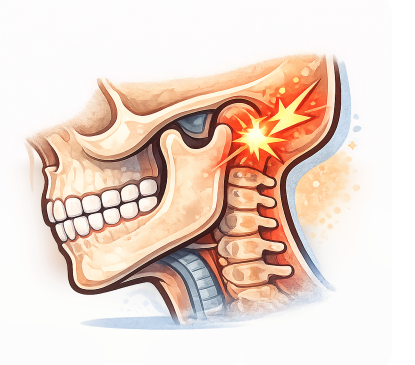
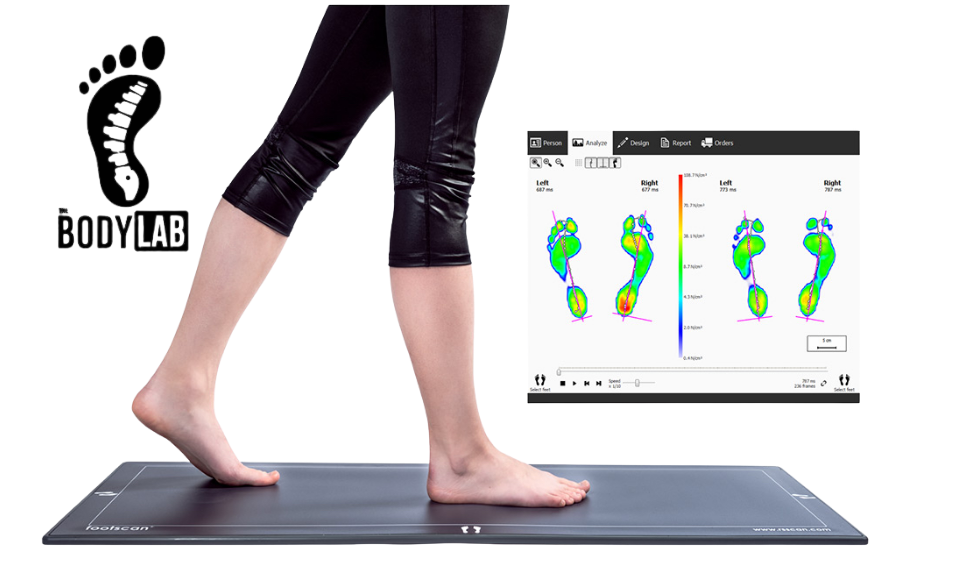
Depending on why you’ve come to see us, this may include walking analysis, spinal mobility, breathing mechanics, balance, cranial movement, jaw function or other movement relationships that help explain why your body has adapted the way it has.
Only then do we decide whether acupuncture forms part of your treatment.
A Different Way of Thinking
People sometimes arrive expecting me to tell them they need acupuncture.
Instead, I often tell them something much more useful.
I explain why their body has adapted the way it has.
Once that becomes clear, the treatment itself is usually straightforward.
Whether we use acupuncture, dry needling, cranial therapy or movement rehabilitation becomes far less important than understanding the problem we’re trying to solve.
That’s the philosophy The Body Lab has been built upon.
Understand the pattern.
Restore the system.
Help the body move with less effort, less compensation and greater confidence..
Why Choose The Body Lab?
Many clinics offer acupuncture.
Our difference isn’t the needles.
It’s the thinking behind them.
Rather than focusing only on where it hurts, we ask why your body adapted that way in the first place. By combining whole-body movement assessment with hands-on treatment and rehabilitation, we aim to create meaningful, long-term improvements rather than temporary relief.
Ready to Get Started?
If you’re considering acupuncture, the first step isn’t deciding whether you need needles.
It’s understanding how your body has adapted.
Book a Comprehensive Restoration Assessment, and together we’ll create a personalised Restoration Plan designed around the way your body moves—not simply where it hurts.