Dry Needling vs. Acupuncture: Which Treatment is Right for Your Pain Relief?
Let’s settle this once and for all: dry needling and acupuncture may look similar (they both involve thin needles and occasionally some wincing), but they’re as different as yoga and weightlifting. Here’s the lowdown:
What is the different between Acupuncture & Dry Needling?
Dry Needling vs. Acupuncture: Which Is Right for You?
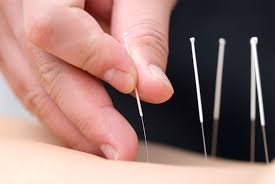
Acupuncture is the ancient healer, rooted in Traditional Chinese Medicine (TCM). It’s all about balancing your body’s Qi (energy flow), tapping into specific acupoints to help with everything from headaches to insomnia. On the other hand, dry needling is the modern muscle whisperer, focused on releasing tight spots in your muscles, a.k.a. trigger points, to give you instant relief from pain.
Now, here’s the kicker: I’m trained in both! Unlike many practitioners who only dabble in one, I’ve got years of experience in both acupuncture and dry needling, which means I can offer a tailored treatment plan that suits your needs perfectly.
Is Dry Needling the Same as Acupuncture?
Nope! While both involve needles, acupuncture works on an energy level, targeting meridians to bring your body back into balance. It’s a bit like hitting a reset button for your whole system. Dry needling, however, is more like hitting the knots in your muscles with a precision strike. It goes straight for the source of your muscle pain, releasing tightness and tension.
So, while both techniques might leave you feeling like a human pin cushion, the intention behind each is quite different.
What Is Dry Needling?
Imagine your physiotherapist or sports therapist working out a stubborn knot in your shoulder, but instead of using their hands, they’re using needles. That’s dry needling. The needles are inserted directly into your muscle’s trigger points to relieve tension. It’s great for treating muscle pain, sports injuries, and even fibromyalgia.
In Australia, dry needling has gained popularity, but there’s a catch—training requirements vary. Some practitioners complete short courses, while others dive deep into the technique. That’s why choosing a practitioner with proper training (like yours truly) is key to getting the best results.
What Is Acupuncture?
Acupuncture is like your body’s own wellness guru. It taps into thousands of years of tradition, placing needles at specific points to balance your Qi. It’s widely used to treat pain, stress, and even digestive issues. Here’s the fun part: Acupuncturists in Australia complete three to four years of training, so when you get acupuncture, you know you’re in expert hands.
I’ve not only done this training but also worked at Gateway Clinic at Lambeth Hospital in London, treating chronic pain patients in a world-class specialist clinic. Let’s just say, I’ve got both the Western and Eastern healing worlds covered.
Which Is Better, Dry Needling or Acupuncture?
It depends on what you’re looking for! If you’ve got tight muscles, a nagging sports injury, or just need some relief from pain, dry needling might be your go-to. But if you want to treat the body holistically—addressing pain, stress, and energy imbalances—then acupuncture is your best bet.
Lucky for you, you don’t have to choose. I can seamlessly combine both therapies in a single session, targeting your Qi and those troublesome trigger points. More on this here
Research and Benefits
Research on dry needling is still emerging, but studies have shown it’s effective for muscle pain relief and improving range of motion. It’s especially great for sports injuries or muscle tension. On the other hand, acupuncture has a rich history of research backing its use for everything from pain management to migraine relief. A 2010 study even found that acupuncture can provide long-term relief for knee osteoarthritis.
Risks and Side Effects
Both treatments are safe when performed by trained professionals (hint, hint). Dry needling may cause some temporary soreness or bruising, and acupuncture can occasionally lead to mild side effects like bruising or bleeding at the needle site.
Conclusion: Why Not Both?
When it comes to pain relief, you don’t have to pick sides. With my expertise in both acupuncture and dry needling, you’ll get the best of both worlds. Whether you’re seeking muscle relief or energy balance, I’ve got a treatment plan that’s right for you.
Book your session today and let’s get those needles working magic!
Ehlers-Danlos Syndrome (EDS) is often misunderstood as simply being “double-jointed” or unusually flexible. In reality, EDS is a complex connective tissue disorder that affects joint stability, proprioception, pain processing, fatigue, autonomic function, and movement control throughout the entire body.
For therapists, this creates a unique clinical challenge. Many traditional rehabilitation approaches that work well for the general population—including aggressive stretching, heavy manual therapy, or isolated strengthening—can sometimes worsen symptoms in people with EDS. What appears to be weakness may actually be instability. What appears to be tightness may be a protective strategy. And what appears to be a local joint problem may reflect a much larger whole-body compensation pattern. Understanding EDS requires a shift away from simply chasing pain or increasing mobility and towards improving control, body awareness, load management, nervous system regulation, and long-term resilience.
In this article, we explore the current evidence surrounding EDS, including proprioception, pain, strength training, autonomic dysfunction, fascia, breathing mechanics, and the role of whole-body assessment. We also examine where emerging concepts such as biotensegrity and fascial therapy may fit within modern clinical practice and discuss the key principles every therapist should understand when working with hypermobile patients.
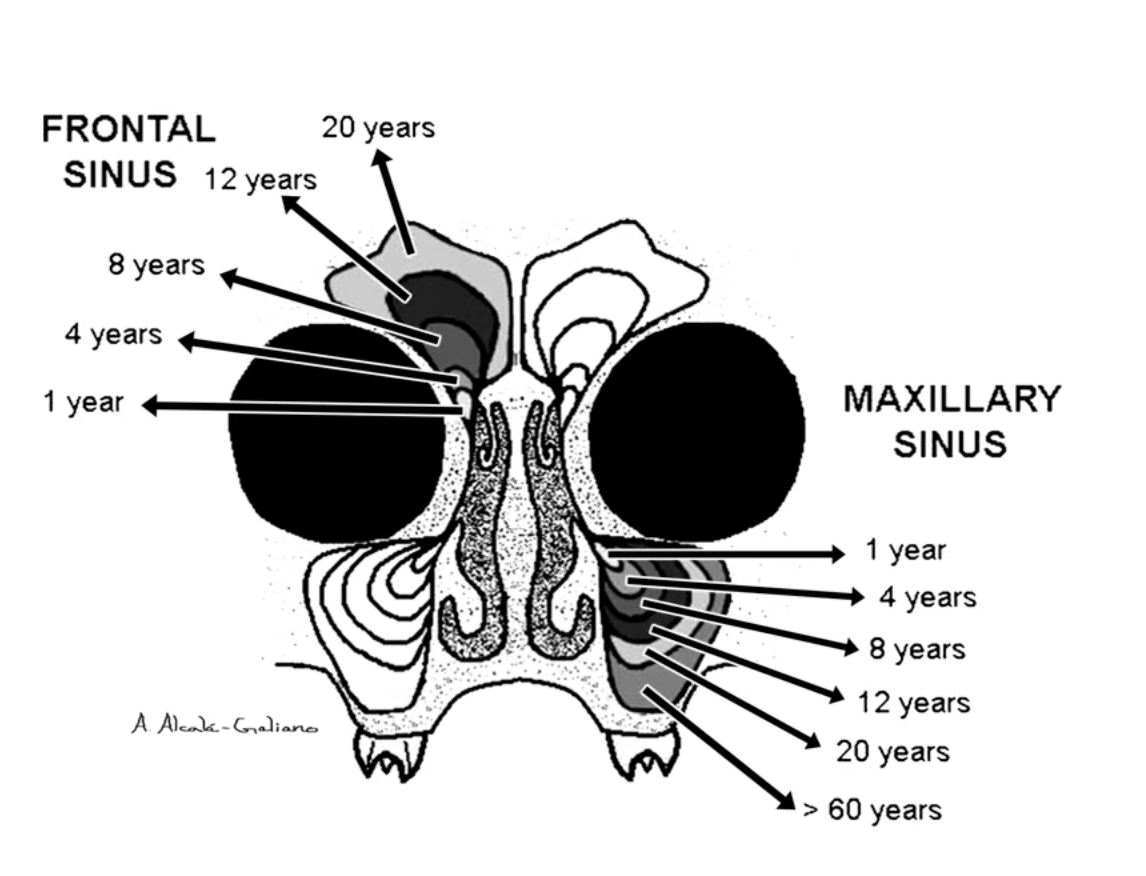
Most people think cavities are caused by sugar alone. But the way you breathe may be playing a bigger role than you realise. Nasal breathing supports saliva production, healthy sinus development and proper facial growth, while chronic mouth breathing has been linked to dental crowding, dry mouth and an increased risk of tooth decay. Discover why your nose may be one of the most important tools for protecting your teeth and shaping your face.
Most people assume breathing exercises and breathing retraining are the same thing.
They’re not.
In fact, this misunderstanding may be one of the biggest reasons people continue to struggle with poor sleep, jaw tension, anxiety, headaches, fatigue, and breathing-related problems despite regularly practising breathing techniques.
Think about it.
The average person takes around 20,000 breaths every day.
A five-minute breathing exercise might influence a few dozen of them.
What about the other 19,900?
This is where breathing retraining becomes different. Rather than focusing on a specific exercise, breathing retraining aims to change your everyday breathing patterns—while you’re working, walking, talking, sleeping, exercising, and dealing with stress.
In this article, we’ll explore why breathing exercises alone often fail to create lasting change, the difference between breathwork and breathing retraining, and how improving your default breathing habits may have a greater impact on your health than any breathing technique.
Most of us never think about breathing until something goes wrong.
A blocked nose. Poor sleep. Anxiety. Headaches. Jaw tension. Fatigue.
The common assumption is that we need more oxygen. But what if the problem isn’t a lack of oxygen at all?
Modern research suggests that many people breathe far more than their bodies actually require. In doing so, they may be disrupting the delicate balance between oxygen and carbon dioxide that helps regulate blood flow, nervous system function, sleep quality and even oxygen delivery to the tissues.
In this article, we’ll explore why bigger breaths aren’t always better, why carbon dioxide may be one of the most misunderstood gases in human physiology, and how your breathing habits could be influencing everything from jaw tension and posture to energy levels and recovery.
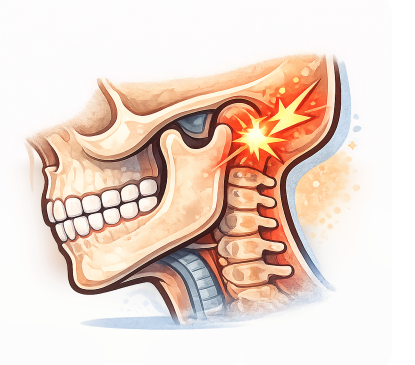
When most people develop jaw pain, clicking, clenching, or teeth grinding, attention immediately turns to the jaw joint itself.
Makes sense.
After all, that’s where the symptoms are.
But what if the jaw isn’t actually the starting point?
What if it’s simply the place where a much larger story is being expressed?
Emerging research suggests that many cases of TMJ dysfunction may involve far more than joint mechanics alone. Breathing patterns, sleep quality, nervous system regulation, tongue posture, neck tension, stress, and even the way the brain processes sensory information may all play important roles.
In other words, your jaw might not be malfunctioning because it is broken.
It might be working overtime because other systems are struggling.
In this article, we’ll explore the fascinating relationship between the jaw, neck, airway and nervous system—and why treating the jaw alone may not always provide lasting relief.
Most people think stress lives in the mind. Others think it lives in the shoulders. But what if one of the body’s favourite places to store stress is your jaw?
Emerging research suggests the jaw is connected to emotional processing, pain perception, breathing, posture and even activity within the brain’s limbic system. Learn how jaw tension, chronic stress and inflammation may be influencing headaches, neck pain, fatigue and persistent pain—and why treating the whole person matters more than chasing symptoms.
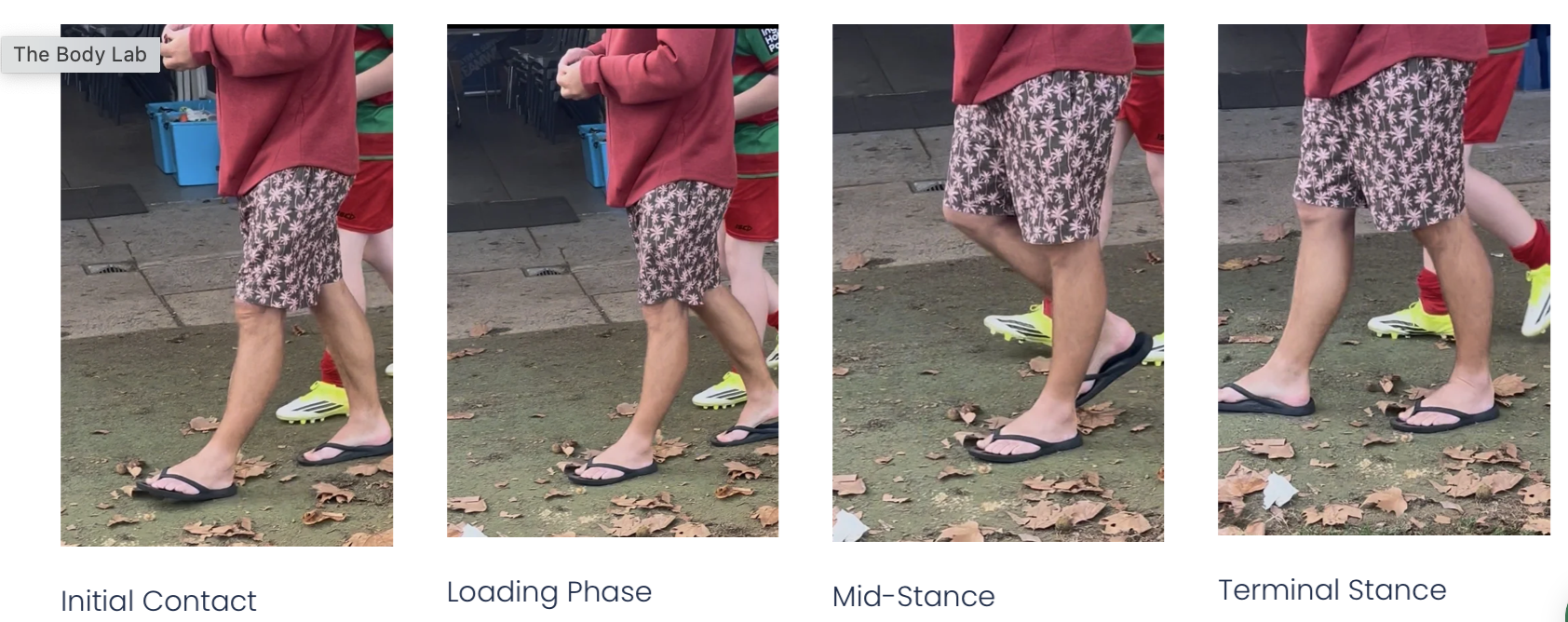
At a kids’ sporting match over the weekend, I watched a gentleman walking in thongs and immediately noticed something I see constantly in clinic: his body barely changed shape from heel strike through to mid-stance. His ankle stayed stiff, his knee barely adapted, and his pelvis remained locked in one position. Over time, this type of walking pattern can reduce force absorption, overload the lumbar spine, affect circulation, compress nerves, and contribute to chronic pain. Here’s why walking is really a force-management system — and what happens when the body loses its ability to adapt.
Most people think protein speeds up every type of tissue repair equally. New research says otherwise. Muscle rebuilds relatively quickly, but tendons, cartilage, ligaments, and bone operate on dramatically slower timelines — sometimes taking years to fully remodel. Here’s what that means for recovery, rehab, ageing, and why your tendon couldn’t care less about your two-week protein challenge.
Think posture is about sitting up straight? Think again. Posture isn’t a position—it’s a reflection of what your body can feel, move, and control. In this article, we break down what posture really is, why your nervous system is calling the shots, and how movement—not stiffness—is the key to changing it.
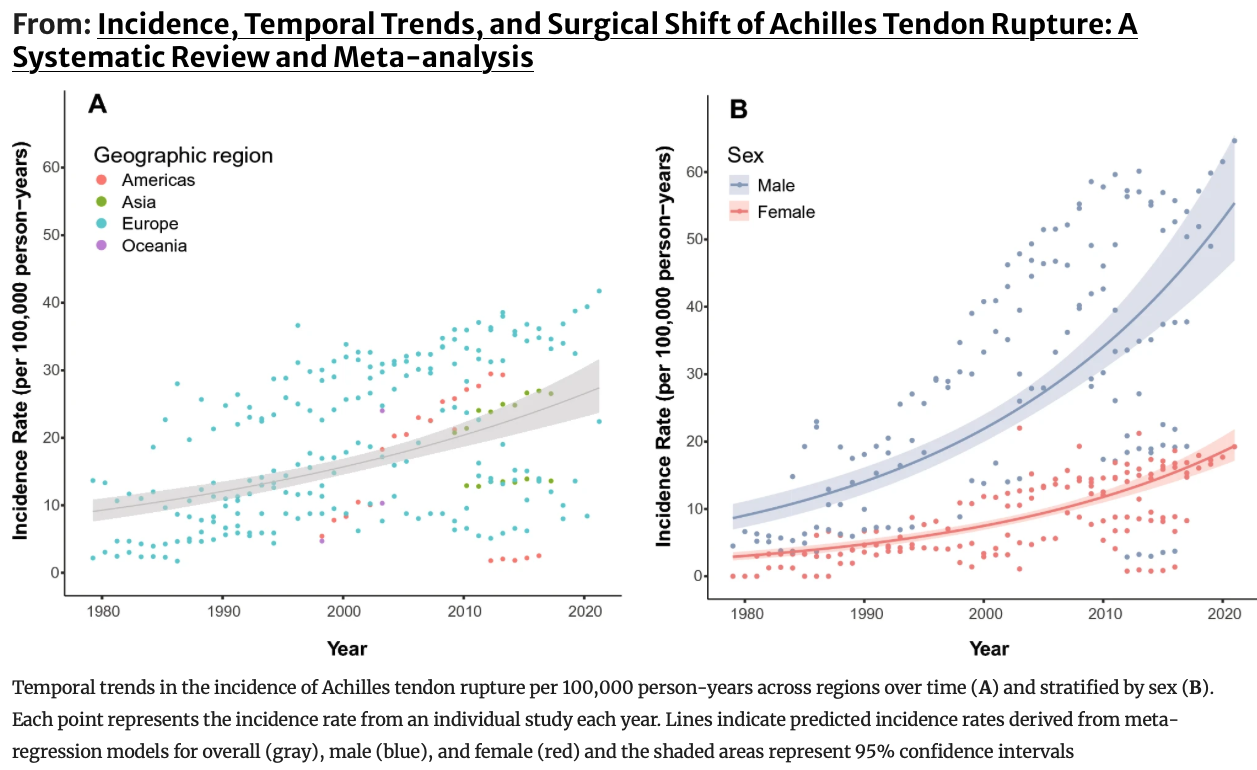
Achilles tendon ruptures are increasing worldwide. Learn why it’s happening, what the latest research shows, and how to improve tendon strength, foot mechanics, and prevent injury.
Struggling with bone loss or worried about osteoporosis? Learn how strength training, impact exercise, and balance work can improve bone health. Insights from Canberra physios at Next Gen.
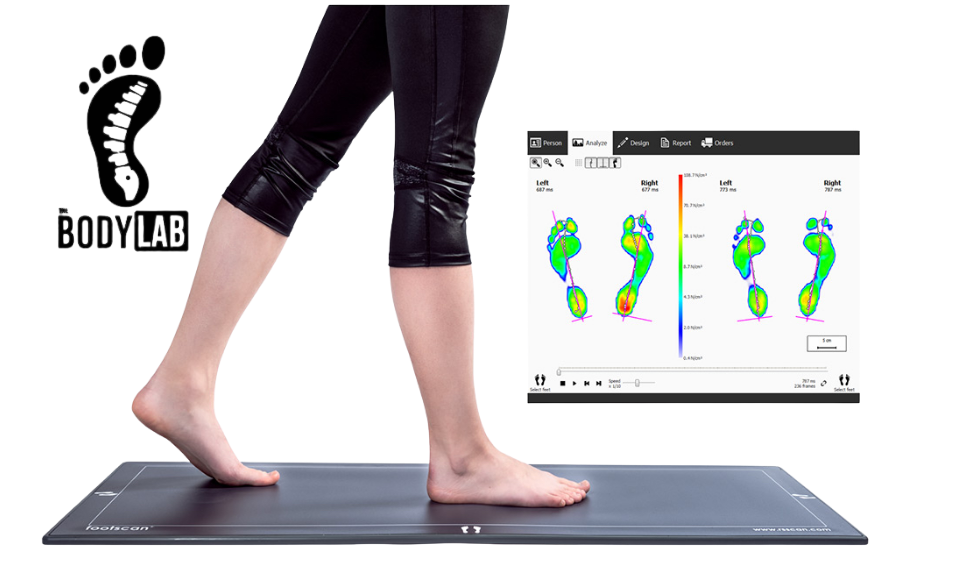
Discover how foot pressure plate analysis in Canberra reveals how you walk, move, and load your body. Advanced gait assessment at The Body Lab.
A 2025 study suggests stimulating lymphatic vessels in the neck can double brain waste clearance—but before you start massaging your face non-stop, let’s break down what the research actually shows. From sleep and movement to fluid dynamics, this guide explains how your body really supports brain health—and where therapy fits in.
Cluster headaches are severe, recurring, and often resistant to medication. This guide explores how acupuncture and cranial therapy in Canberra can help reduce pain, frequency, and improve long-term outcomes.
Poor sleep affects hormones, metabolism, pain, and recovery. Evidence-based insights with Australian sleep data and metabolic perspective.
Persistent pain is not always caused by tight muscles or stiff joints. In many cases the nervous system and skin play a key role. Understanding this connection can change how chronic pain is treated.
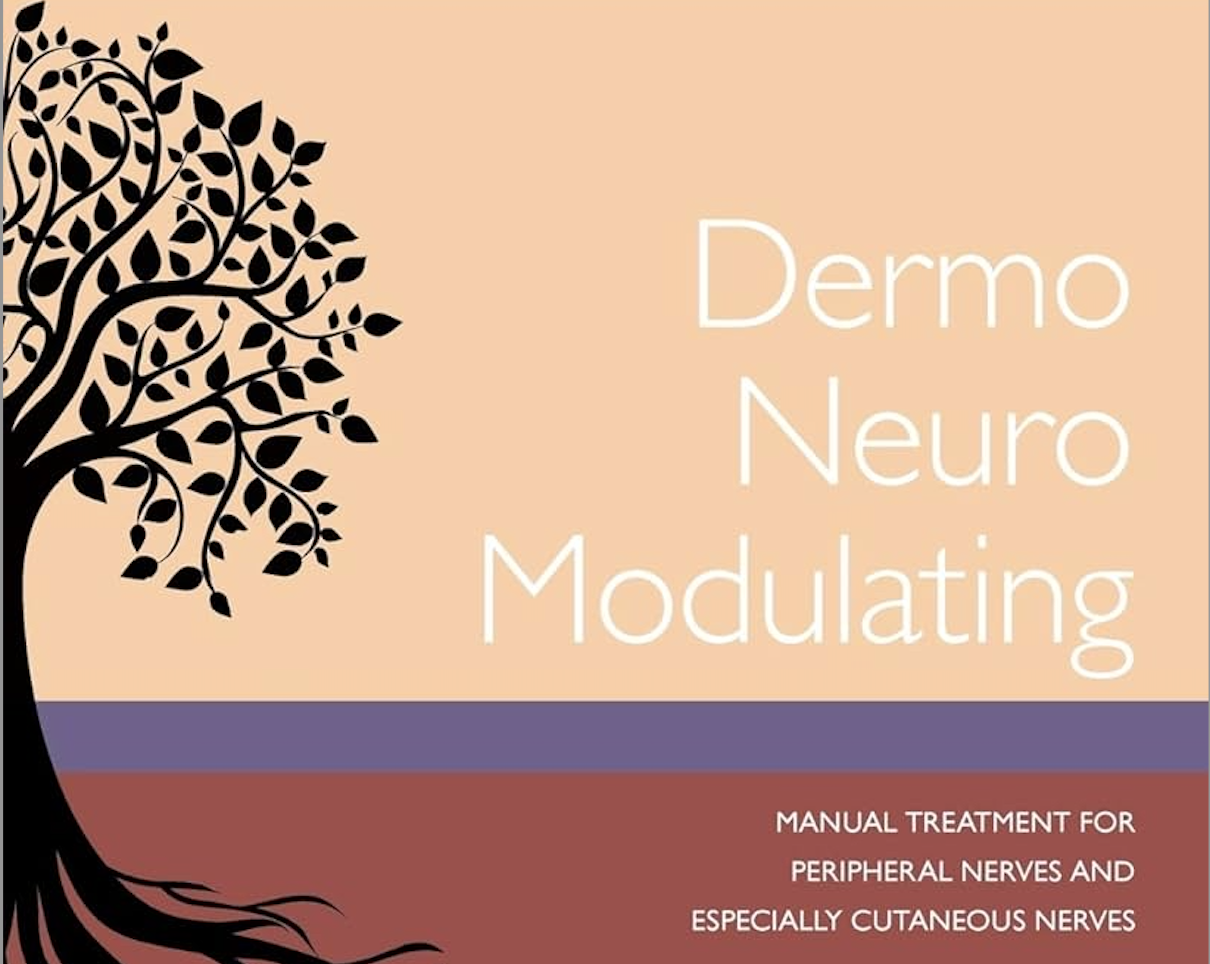
Dermo-Neuro Modulating is a gentle manual therapy technique that works through the skin to calm irritated nerves and reduce pain. Developed by physiotherapist Diane Jacobs, it offers a modern, neuroscience-informed approach to treating persistent pain conditions.
Ankle sprains are often treated as ligament injuries, but the mechanics of the foot tell a much bigger story. One structure that frequently goes unnoticed is the Flexor Hallucis Longus (FHL) — the tendon that connects the calf to the big toe and plays a critical role in propulsion, arch stability, and walking efficiency. Because this tendon runs through a narrow tunnel behind the ankle joint, it can be compressed or irritated during common inversion ankle sprains. Understanding how the FHL contributes to foot mechanics may help explain persistent ankle stiffness, reduced push-off power, and ongoing pain after injury. Exploring the role of the big toe in ankle recovery offers a more complete view of foot biomechanics and movement rehabilitation.
If you’ve ever searched “acupuncture for pain Canberra”, chances are something in your body has decided it’s had enough. Maybe it’s your heel barking every morning, a shoulder that refuses to behave, or a lower back that stiffens the moment you sit down too long.
Acupuncture can be remarkably effective for reducing pain. But here’s the honest truth most clinics won’t say out loud:
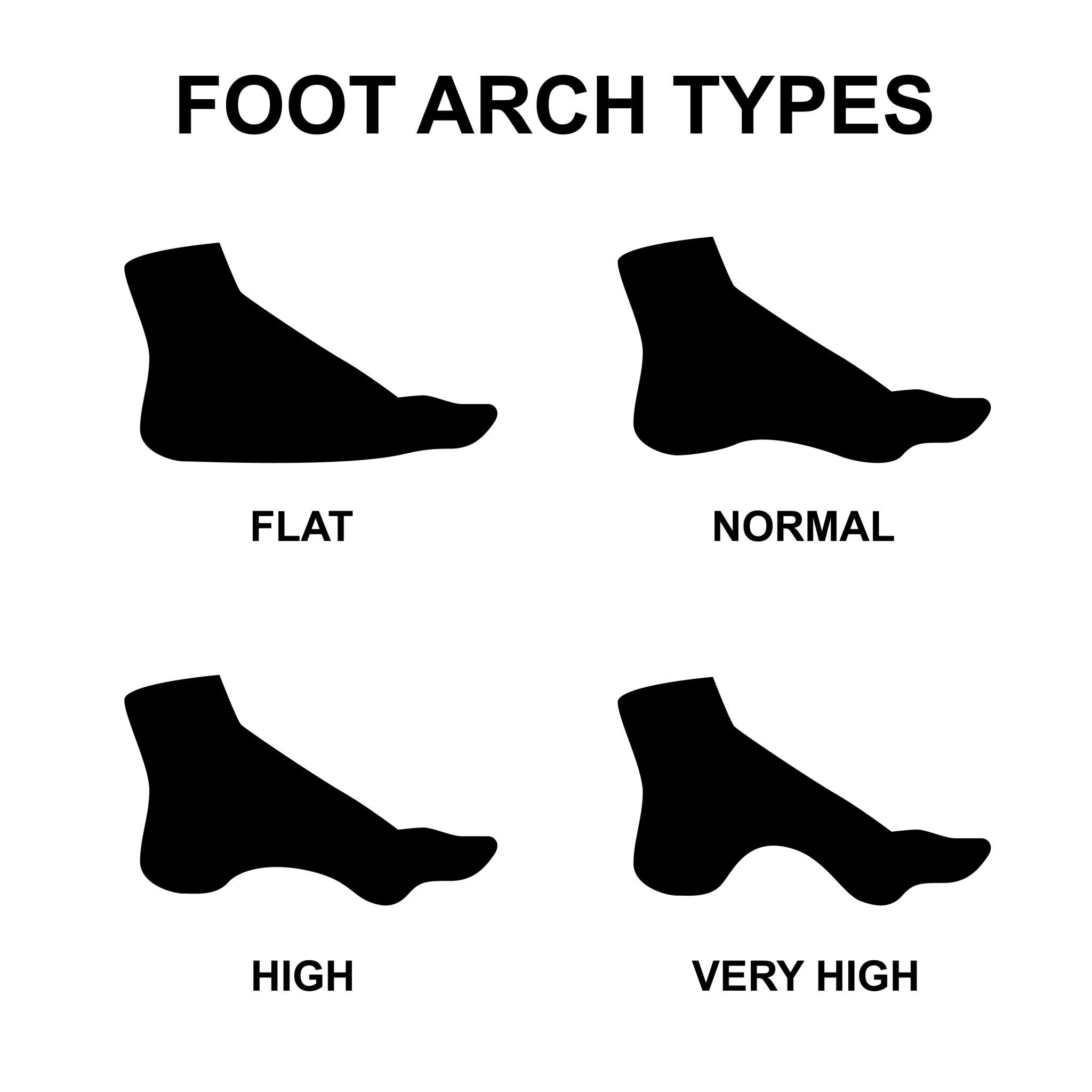
Foot shape plays an important role in how the foot absorbs force and distributes pressure during walking. From flatter pes planus feet to the higher-arched pes cavus foot type, these structural differences influence how load travels through the heel and arch.
Understanding how these loading patterns affect the tissues around the heel—including the plantar fascia and Baxter’s nerve—may help explain why some people develop persistent heel pain while others do not.
Most cases of heel pain are quickly labelled plantar fasciitis, but that diagnosis doesn’t always tell the full story.
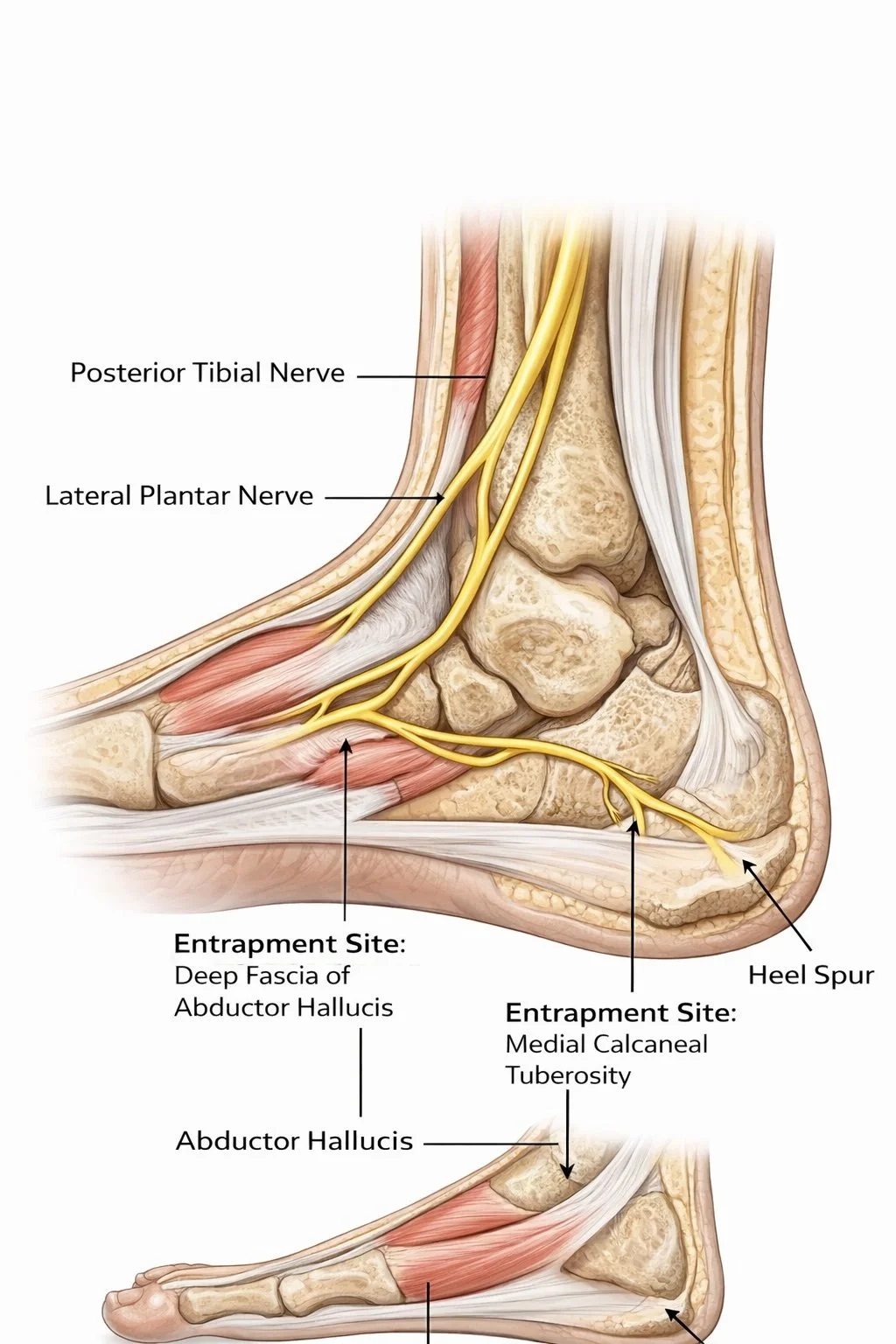
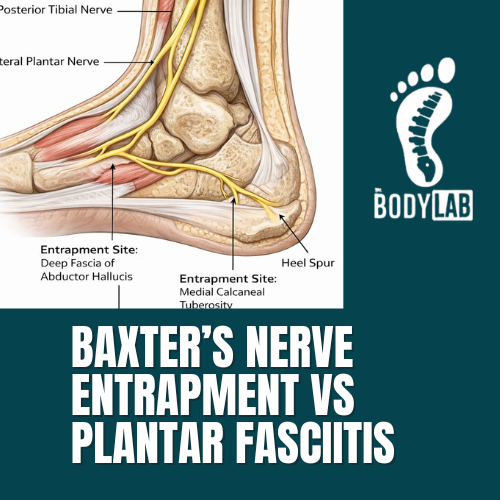
Research suggests that Baxter’s nerve entrapment—compression of the inferior calcaneal nerve—may account for up to 20% of chronic heel pain cases. Because the symptoms overlap with plantar fasciitis, this nerve condition is frequently overlooked.
Understanding how gait mechanics and medial heel loading influence the tissues surrounding Baxter’s nerve can help explain why some heel pain persists despite traditional treatments.
Most cases of heel pain are quickly labelled plantar fasciitis, but that diagnosis doesn’t always tell the full story.In fact, research suggests that up to 20% of chronic heel pain cases may involve compression of Baxter’s nerve, a small branch of the lateral plantar nerve that runs along the inside of the heel. Because the symptoms overlap, Baxter’s nerve entrapment is frequently mistaken for plantar fasciitis.While plantar fasciitis involves irritation of the plantar fascia, Baxter’s neuropathy is a nerve compression problem, which means the symptoms, mechanics and treatment considerations can be quite different.
Understanding the difference is important. Treatments designed for plantar fascia inflammation may not help nerve-related heel pain—and in some cases may even aggravate the underlying problem.
In this article we explore the key anatomical and biomechanical differences between these two conditions and explain why a deeper look at foot mechanics and gait can be crucial when heel pain persists.
Heel pain when walking is one of the most common problems I see at The Body Lab in Canberra. Here’s why it happens and how improving foot mechanics can help.